Categories
Interviews Music

Interview: Les Imprimés

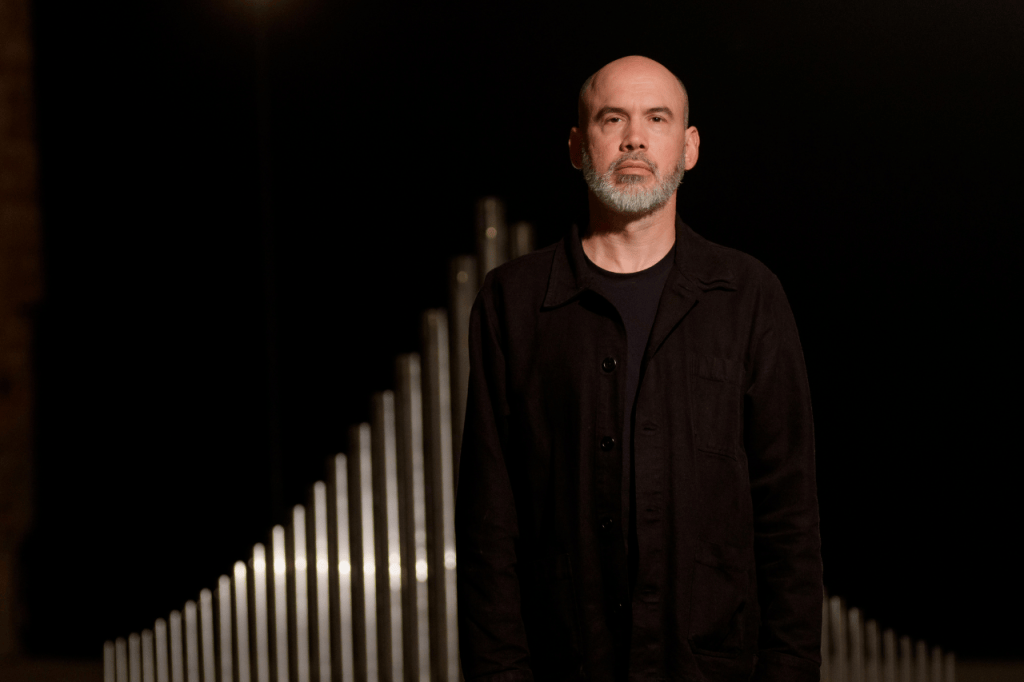
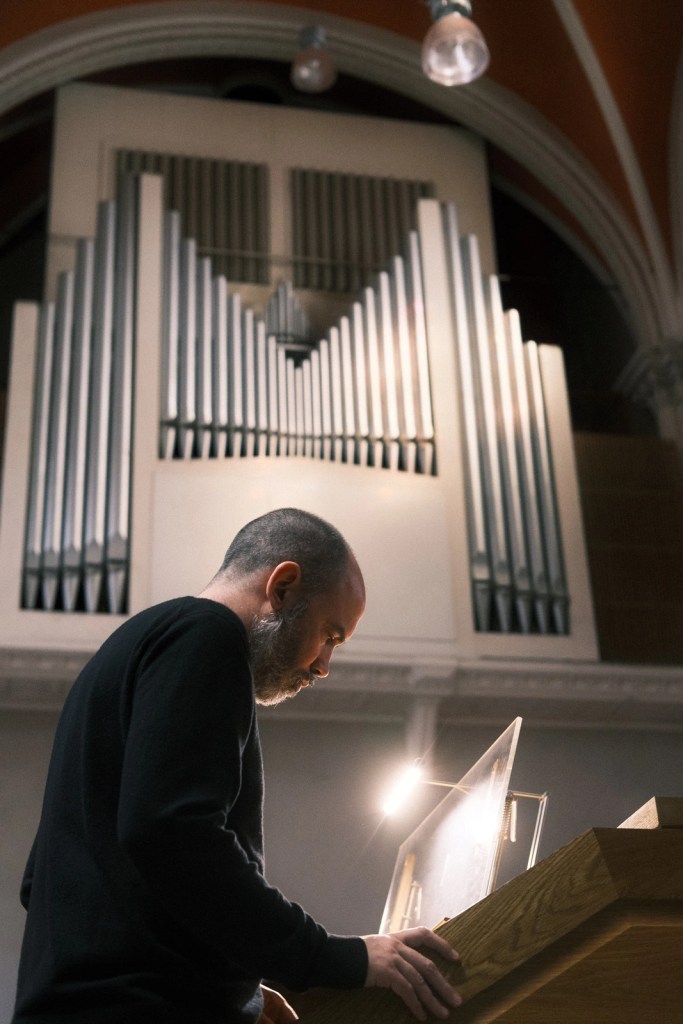
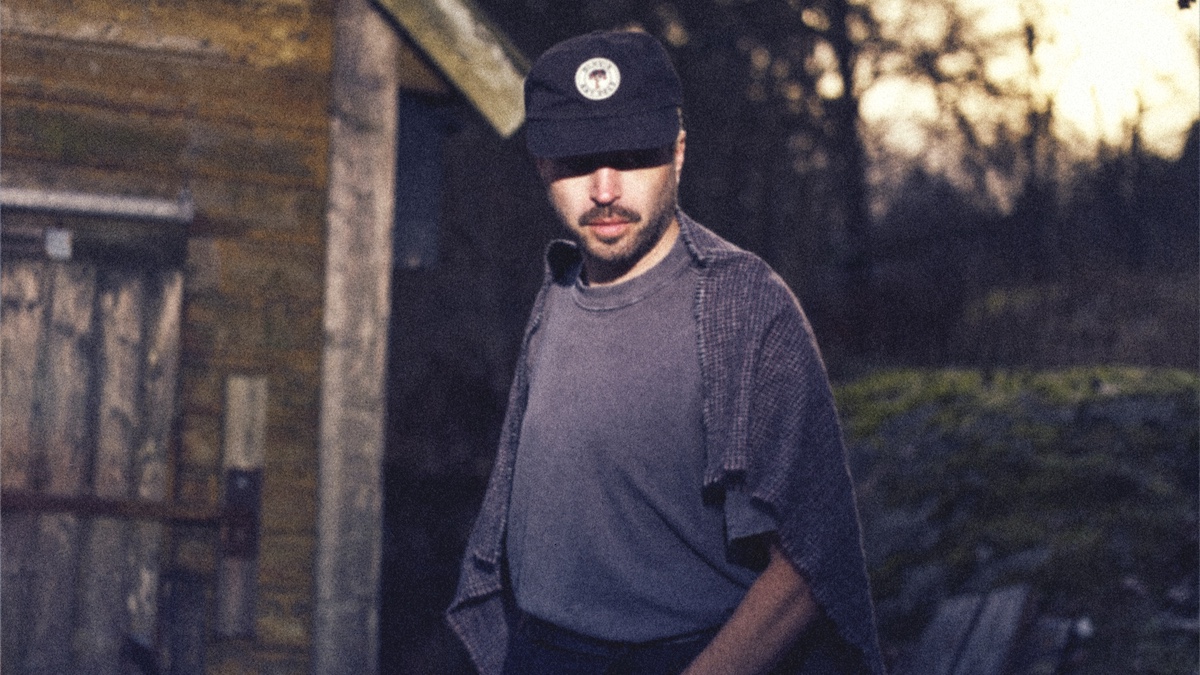
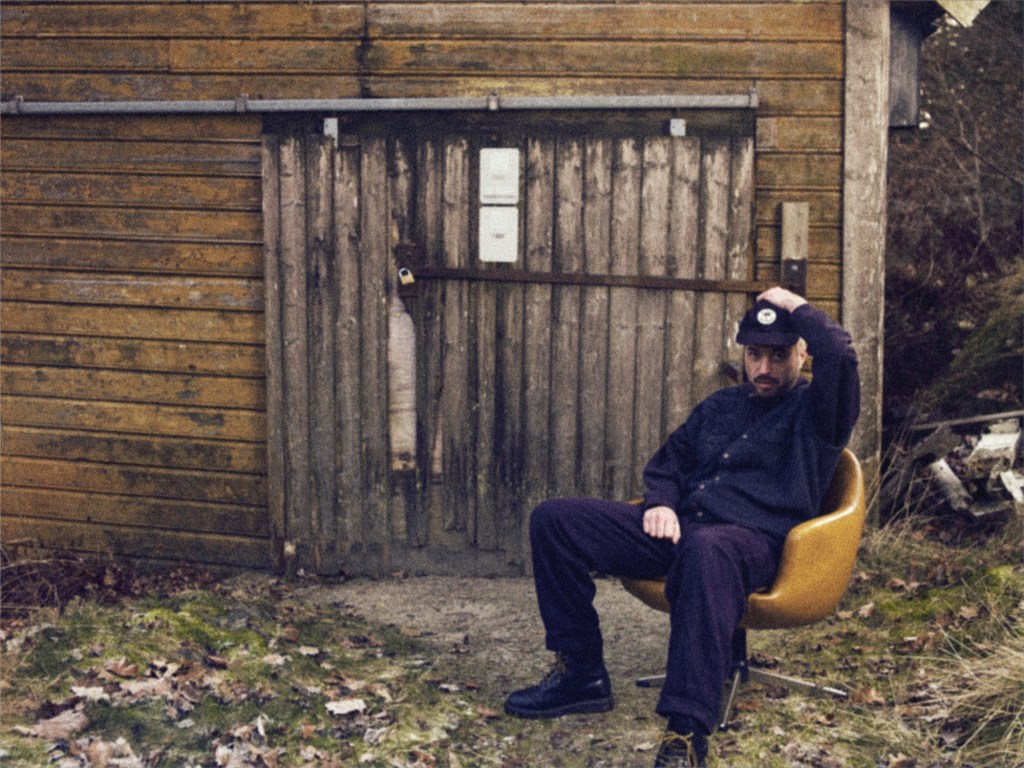
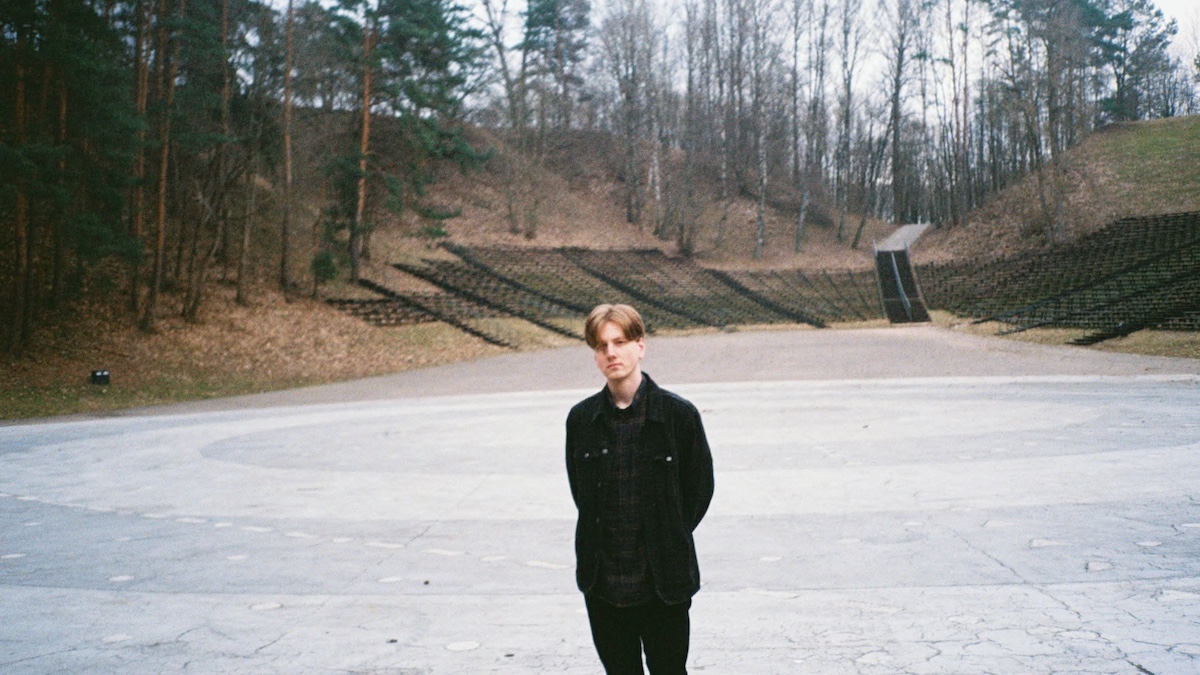
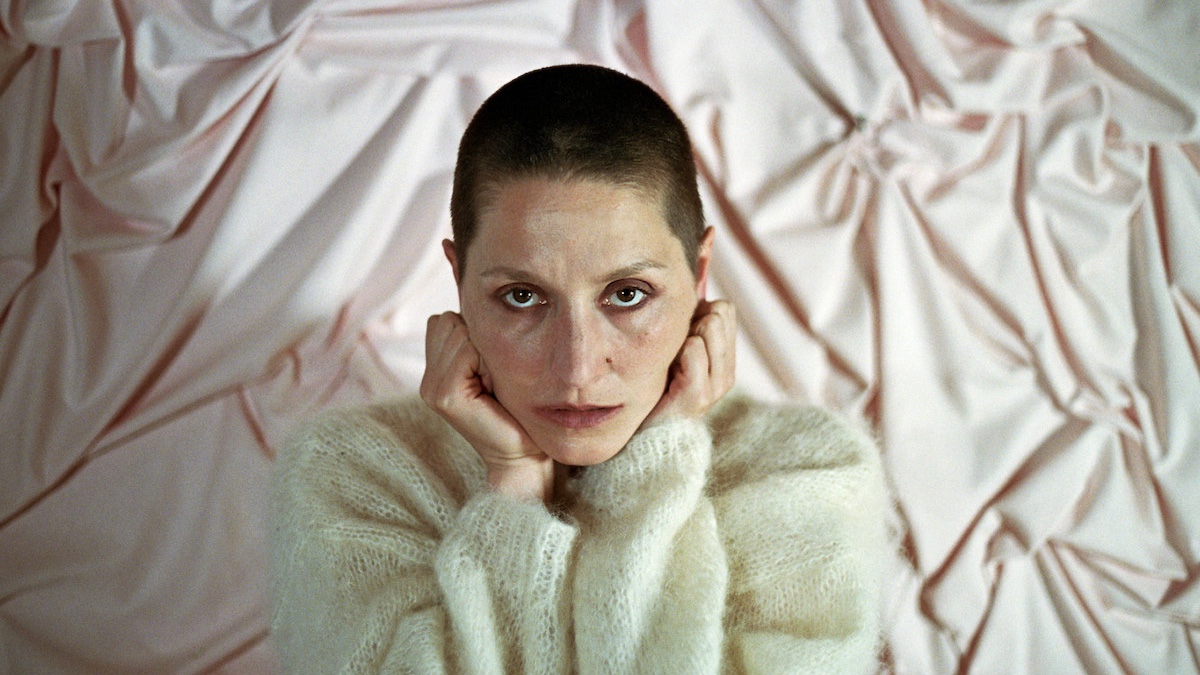
Norwegian multi-instrumentalist, producer and songwriter Morten Martens has carved out a distinctive space as Les Imprimés, making music that draws from soul, alternative rock, hip-hop and jazz without ever feeling tied to any one tradition. Since signing to Big Crown Records, he’s built a growing reputation for thoughtful, beautifully arranged records that favour subtlety over spectacle.

His second album, Fading Forward, continues that trajectory. Almost entirely written, performed, produced and arranged by Martens himself, it expands on the dreamy, soulful sound of its predecessor while exploring broader themes of memory, commitment, loss and mortality. Every note feels considered, from the warm, organic instrumentation to the understated production, resulting in a record that’s both emotionally rich and remarkably cohesive.

I caught up with Martens to talk about the records that shaped him, why he records everything from scratch despite his background in sampling, the challenge of making music that feels timeless rather than nostalgic, and the ideas that sit at the heart of Fading Forward.

I first came across your music through If I, and what struck me immediately was its dreamlike, almost suspended quality. That feeling seems to run through much of your work. Is that atmosphere something you consciously build towards, or does it emerge naturally as you’re writing?

Thank you. I don’t really know, to be honest. I don’t have any desire to shock people or make something uncomfortable. I like being in a calm, comfortable space when I’m making music, so I guess that atmosphere comes quite naturally from that.

You’ve spoken about being inspired by albums from D’Angelo, Björk and Radiohead, who are all artists who created records with incredibly strong identities rather than chasing particular trends. What have those albums taught you about making music that lasts beyond its moment?

I mostly just try to make the kind of music that I like myself. I wouldn’t compare myself to those legends, of course, but I do hope the music I make can still feel relevant and worth listening to many years from now.

Your music feels difficult to place in a particular era. There are echoes of classic soul, alternative rock and hip-hop production, but it never feels nostalgic or revivalist. Is that sense of timelessness something you actively pursue, or simply a by-product of following your instincts?

When I’m making music, I don’t want it to sound like an old record from the ‘70s, or the ‘90s for that matter. In my own mind, I’m making new music. Of course I’m inspired by lots of different genres, but I never want to copy anything directly. So I guess it’s just instinct.

You play almost every instrument on Fading Forward, as well as producing and arranging the album yourself. Does working so independently give you complete creative freedom, or do you ever find yourself missing the challenge that comes from having other people in the room?

Yeah, of course it would be fun to work with more musicians in the studio, and I’ve done a lot of that over the years. But with Les Imprimés, I also like working on my own. It gives me the freedom to spend as much time as I need shaping the songs, without feeling pressured by the clock. It definitely takes longer, but I really enjoy working that way.

There’s an interesting tension in your records between organic performances and production techniques borrowed from hip-hop. How much of what we hear begins as live recordings, and how much is built through sampling, chopping and reconstruction afterwards?

I’ve worked a lot with sampling in the past, but with Les Imprimés everything you hear is recorded from scratch. That’s more been a kind of direction for me up until now. I think I got a bit tired of working with samples and data on a screen, and wanted to spend more time actually playing and recording in a studio setting. I still like the feel of sampled music, but I prefer trying to recreate that energy by doing everything live.

You’ve described yourself as not having “the soul voice, but I do it my own way.” Who, for you, has the definitive “soul voice»?

Haha, yeah, that quote seems to follow me everywhere. What I meant was that I probably don’t have the kind of voice people traditionally expect from a soul singer. My music isn’t really traditional soul either. D’Angelo has an incredible voice, of course, and Donny Hathaway is another absolute legend.

Much of Fading Forward explores commitment, loss, memory and mortality with equal weight. Did those themes emerge because of what was happening in your own life, or did you only recognise them once the album was finished?

When I start writing, it often begins with just a word or a feeling, and it doesn’t necessarily come directly from something happening in my own life. But the further I get into a song, the more I find myself drawing on experiences from my own life or from the people around me.

Only Love is the track I keep coming back to most. It feels like the emotional heart of the record, largely because that feeling of longing – and the sadness that often sits alongside it – is really brought to the fore. What was happening emotionally when you wrote it?

Thank you. I think it was actually the first song I wrote for the album. Like most of my songs, it naturally draws on my own experiences and emotions, but not necessarily on one specific event. The chorus is basically a chant about how only love will set us free, which I imagine is something most people can relate to. In the end, it’s just a love song. Hopefully it’s universal enough that people can bring their own experiences into it.

Now that it’s out in the world – and being dissected by music nerds like me – how do you feel about the album? Are you someone who goes back to your own music, or is it straight onto the next record?

I’m really proud of the album. Compared to Reverie, it explores some different themes. I didn’t want to write another record that was only about love and daydreaming, so it felt natural to open things up and write about other parts of life as well. As a songwriter, I usually feel finished with the songs once they’re released, but it’s exciting to play them live and let them take on a new life. That’s how I keep living with them. And yes, I’m already working on new music.

You’ve spent much of your life making music in Kristiansand before signing to Big Crown and then finding an international audience. Has that shift changed the way you think about your work, or do you still approach songwriting as if nobody else is listening?

It’s cool that people in different parts of the world are listening to my music now, but I don’t think it has really changed the way I write songs. I still just try to make music that I genuinely like. I’m probably just as self-critical as I’ve always been, so in that sense I’m still my own toughest critic. Haha.

As the project continues to grow, what feels most important to you to protect, and what are you most excited to explore next?

I just want to keep surprising myself a little. If I feel like I’m repeating myself, I get bored pretty quickly, so I’m always looking for new sounds or ideas to get excited about. And getting the opportunity to travel around with my own music is pretty amazing.

Fading Forward is out now on Big Crown

https://lesimprimes.bandcamp.com/album/fading-forward

Categories
Features Interviews

One Track Mind: memotone

Will Yates on how a Leaf sampler CD contained a track that continues to inspire him to this day

The premise of One Track Mind is pretty simple: I ask artists to pick one track that means a lot to them – either something they’ve discovered recently, something that’s been with them for years, or one that reminds them of a specific time in their life or career – and tell me what makes it so special to them. I get to talk to the artists I love, and they get to talk about the artists they love. Love all round!

memotone is the alias of Newport-based multi-instrumentalist, producer and composer Will Yates. Working across ambient, contemporary classical, jazz and experimental music, his intuitive, improvisation-led approach has earned releases on labels including World of Echo, The Trilogy Tapes, Sähkö Recordings, Accidental Meetings, Patience/Impatience and Black Acre. His music combines delicate melody with rich textural detail, constantly pushing into new sonic territory.

His new album, Warm Shadows, marks a return to Accidental Meetings and finds Memotone expanding his palette once again. Blending ambient composition, free-form improvisation and subtle sound design, the record features collaborations with Lithuanian artist Ugnė Uma, Jabu’s guest and percussionist Typesun, creating a warm, immersive collection that balances intimacy with widescreen experimentation.

For his One Track Mind, Yates has dug out some buried treasure from an obscure label sampler CD.

Memotone on Asa-Chang & Junray – Hana

This track was featured on a 17 track label sampler CD from Leaf back in 2002. The whole CD, which was called ‘Lost for Words’ is responsible for a big shift in my music appreciation and understanding back then. My dad got a copy of the CD about 2005 (I’d have been fifteen at the time), and I circulated it around my friend group. It’s gone on to become a legendary artifact between a few of us, and the track ‘Hana’, especially, is something very special.

Asa-Chang is a Japanese percussionist and original bandmaster of the Tokyo Ska Paradise Orchestra, he then formed Asa-Chang and Junray in 1998, as a duo with Hidehiko Urayama. The track comes from their ‘Jun Ray Song Chan’ LP, issued in the UK by Leaf on their Japanese imports imprint ‘Bay’ (controversy remains about this situation and if Leaf ever paid any of the Japanses artists they released, including Susumu Yokota). I bought a second-hand vinyl of the record years later, and I still play it regularly.

You can also hear how the track lives on in modern examples (not just my own! Haha.) There is a track from a French group called ‘Troubadours’ called ‘Realistic Avatar’ – released in 2025 on Few Crackles – which is like a modern equivalent. I don’t actually know if Troubadours have ever heard ‘Hana’, but the likeness is undeniable. And my track ‘Fever of the World’ is a bit of a homage to the FEEL of ‘Hana’, even if it doesn’t sound much alike. Anyway, give it a listen.

memotone – Warm Shadows is out now

https://memotone.bandcamp.com/album/warm-shadows

Categories
Features Interviews

One Track Mind: Charbel Haber

The Lebanese artist on the haunting quality of a Fennesz classic

The premise of One Track Mind is pretty simple: I ask artists to pick one track that means a lot to them – either something they’ve discovered recently, something that’s been with them for years, or one that reminds them of a specific time in their life or career – and tell me what makes it so special to them. I get to talk to the artists I love, and they get to talk about the artists they love. Love all round!

Lebanese musician, performer, visual artist and composer Charbel Haber has spent more than two decades at the forefront of Beirut’s experimental music community. Whether composing for multidisciplinary projects or developing his own solo material, Haber has built a reputation for creating immersive, emotionally resonant works.

His latest album, May a soft sun bless your sky while you wait for the inevitable, was written following his move from Beirut to Paris and reflects on themes of distance, exile, mortality and the search for tenderness amid uncertainty. Recorded in Paris and completed through collaborations spanning Beirut and Montreal, the album unfolds through slowly evolving compositions built from layered guitars, loops and electronic textures.

For his One Track Mind, Haber has chosen a haunting track from Fennesz’s 2004 album Venice.

Charbel Haber on Fennesz – Transit feat. David Sylvian

The track I pick would be Transit from Christian Fennesz’ record Venice, with David Sylvian singing. That track haunts me since I discovered it more than 20 years ago. It’s a traveller’s song.

The loneliness of Europe’s airports when I’m on tour, the acceptance of the idea that we die alone and the cigarette that is kept for last. The melancholy reflected by sylvian’s voice and fennesz’s glitches, the last human talking to the last machine, in conversation about the end of mankind caused by alienation and digital isolation. The fall of empires but not in a blaze, just out of boredom and detachment from each other. It reminds me a lot of Paul Auster’s novel In The Country of Last Things.

This track is best when walking in the quiet Venetian streets, away from the tourists, feeling like the last of your kind, on your last stroll through the ruins of civilization.

Chabel Haber – May a soft sun bless your sky while you wait for the inevitable is out now

https://charbelhaber.bandcamp.com/album/may-a-soft-sun-bless-your-sky-while-you-wait-for-the-inevitable

Categories
Features Interviews

One Track Mind: Teatre

The Lithuanian ambient and electronic artist on the sacred power of a decades old Burial cut.

The premise of One Track Mind is pretty simple: I ask artists to pick one track that means a lot to them – either something they’ve discovered recently, something that’s been with them for years, or one that reminds them of a specific time in their life or career – and tell me what makes it so special to them. I get to talk to the artists I love, and they get to talk about the artists they love. Love all round!

Lithuanian producer Teatre has spent the last few years building a distinct corner of experimental electronic music that moves between ambient, wave, techno and more abstract forms. The project of Viktoras Urbaitis, his work has gradually shifted from the colder, urban feel of earlier releases into something softer and more reflective, while remaining rooted in Lithuania’s experimental scene.

His new album, All Constellations Weaving Into One, arrives via Amulet of Tears and feels intensely intimate. Written chronologically between September and November 2025 following a period of creative stillness, the record unfolds like a personal sketchbook, built from hazy synth textures, 90s sample fragments and field recordings captured around Vilnius’ Antakalnis district.

There are traces of Cocteau Twins, Vangelis and Grouper throughout, though the album never feels pinned to any one influence. Guest appearances from Ieva Semėnaitė and Eglė Pundzevičiūtė add another layer to its dreamlike atmosphere, particularly on the beautifully blurred “Perseide” and “Sapiegų Park”.

For his One Track Mind, Teatre has selected a painfully beautiful track from one of the most celebrated and influential artists of modern times.

Teatre on Burial – Forgive

It wasn’t easy to pick one track to write about – there are so many songs all across the spectrum from shoegaze to singer-songwriter to electronic (especially ones with lyrics) that I’m really connected to. But coincidence would have it that a few days ago – May 15th – was the 20th anniversary of Burial’s self-titled album debut, so I decided to pen a short tribute to one of my all-time favourite artists.

When people talk about Burial, it’s usually about common themes: dark, skeletal beats, haunting urban atmospheres, unorthodox sampling, all of which, of course, he does with superb mastery. But that still underrates his work. I think that what he did was unprecedented in the field of electronic music and in the realm of art in general. Burial creates narratives about memory, loss, transcendence & love woven from countless forms of media, culture, and environment. The experience of a Burial track is an emotional dive into the postmodern sound of the 21st century. Every digital transmission, every nostalgic beat becomes something personal: alarms on the street punctuate feeling states, fragmented vocal echoes reflect inner dialogues. This principally anonymous non-musician from London changed what recording artists can be, and I still think that few have come close.

Before he wrote novels in tracks on 2013’s “Rival Dealer”, before the anthemic stories of “Untrue”, there was the poem “Forgive” on his debut album. In my opinion it’s a perfect example of Burial’s singular sensitivity – creating an entire world from just a couple seconds of spliced audio. I never knew where the sounds were from, or what they’re supposed to be (though I may have read that one of the samples is from Brian Eno), and I still don’t know what the words are saying. I don’t think such work should be rationally or technically disseminated. To me this plays beyond words, like feelings clenching one’s throat, an endless thread of time & emotion unraveling.

I started really getting into alternative and electronic music around the time I was 15, when I moved from my hometown. The music of Burial had already been around, but for me discovering it was something otherworldly. At the same time, I immediately felt that it was something true to me, like it spoke about something that I was living through. I would be listening to the S/T and Untrue on loop, just walking around this new city that I knew nothing about, mostly isolated and terrified, with only these digital airwaves in my ears that seemed to know something real about me. I remember clearly observing at that time that this was music that spoke so much without words, something that I wanted to create.

“Forgive” wasn’t playing on repeat, it was for moments, sometimes years in between. I don’t remember most of them, but I can picture certain days, places, periods of time, series of events, people. The feeling doesn’t go away. It brings up something that was just a speck of dust in my memory, and it whirls into a hurricane. Sometimes I don’t even know what it is, the song just pulls it out. For me it’s not a song to put in a playlist, more like something sacred. There’s a video still online from 16 years ago where this track plays for a murmuration of birds across a clouded highway, it still really moves me.

Teatre – All Constellations Weaving Into One is out now on Amulet of Tears

https://amuletoftears.bandcamp.com/album/all-constellations-weaving-into-one

Categories
Interviews Music Uncategorized

One Track Mind: anthéne

The ambient artist on the arresting simplicity of a song by Myriam Gendron

The premise of One Track Mind is pretty simple: I ask artists to pick one track that means a lot to them – either something they’ve discovered recently, something that’s been with them for years, or one that reminds them of a specific time in their life or career – and tell me what makes it so special to them. I get to talk to the artists I love, and they get to talk about the artists they love. Love all round!

Brad Deschamps, recording as anthéne, is a Canadian ambient composer whose work leans into stillness, tone and emotional weight. His music draws on soft drones, field recordings and minimal melodic fragments to build pieces that feel immersive without becoming overworked, with releases across labels such as Home Normal, Whitelabrecs and Past Inside the Present.

His latest release is a collaborative album with Alessio Bertuzzi aka Far Away Nebraska, great plains, which leans heavily into the ‘country ambient’ aesthetic, and has been a daily source of morning calm for me over the past several weeks.

For his One Track Mind, Brad has picked out a deeply meditative song from a celebrated Canadian musician and songwriter.

anthéne on Myriam Gendron – Solace

“Though I’m constantly seeking out and listening to new music, when I think of the last decade or so there are a few artists that really stick out as being extremely important to me. Myriam Gendron is one of them. Her discography is all so amazing, but this song “Solace” from Not So Deep As a Well is one that I return to very often. The guitar playing bares a passing similarity to another song I almost chose for this, “Sleepwalker” by Julie Byrne, (another one of those artists whose work I’ve spent a lot of time with in the last 10 years or so).

“The combination of her beautiful guitar playing and the words of Dorothy Parker is really arresting, and it’s also just a very novel idea to set Dorothy’s poetry to music. To me the song/poem seems to be about grief, letting yourself feel sadness and not trying to hastily move on:

There was a rose that faded young;
I saw its shattered beauty hung
Upon a broken stem.
I heard them say, “What need to care
With roses budding everywhere?”
I did not answer them
.

There was a bird, brought down to die;
They said, “A hundred fill the sky-
What reason to be sad?”
There was a girl, whose lover fled;
I did not wait, the while they said,
“There’s many another lad.”

“Having seen her perform live a few times, her music on record and in person feels very warm and inviting despite being so minimal and somewhat somber, and I take great comfort in it. Perhaps most inspiring is this song is from Myriam’s first album, recorded alone in her apartment with no prior knowledge of sound engineering, and to have composed and recorded something this beautiful is really something.”

anthéne & Far Away Nebraska – great plains is out now on Home Normal

Categories
Features Interviews Uncategorized

Interview: Kelly Moran

Kelly Moran is a composer, producer and performer working at the borders of minimalist electronics and extended piano technique. Classically trained, she came up studying 20th-century composition and prepared piano, later folding synthesis, generative sequencing and computer processing into her writing. Her connection to machines deepened through time spent with the Yamaha Disklavier and Disklavier-connected environments, where the instrument’s automated precision shaped her sense of space, decay and restraint

Her latest LP Don’t Trust Mirrors arrived in October 2025 on Warp Records, a meditation on distortion as both sound design and self-portrait. A club-leaning companion to 2024’s Moves in the Field, the album’s palette grew from prepared piano, live electronics, and Moran’s custom Disklavier arrangements, but its inspiration was interpersonal reflection rather than technical display.

In our interview she talks about those parallel selves: the touring hedonic performer and the quieter, post-lockdown writer at home. We also discussed a pivotal moment at Approximation Festival in Düsseldorf in which Moran challenged the festival’s attempt to draw a line between politics and art, her account of which speaks to the wider pressures artists now carry: hyper-visibility expectations on platforms like Instagram, algorithmic penalties for political speech, and a media landscape reshaped by layoffs, inflation, and AI saturation.

You wrote some of the earliest Don’t Trust Mirrors pieces while partying through festivals, then finished the project in a much quieter, post-lockdown reality. When you play this material now, which version of yourself do you feel closest to: the hedonistic touring mode, or the person stuck at home trying to reimagine everything?

Honestly, these are the two wolves that live inside me at all times. But I think I feel way closer to the touring hedonist when I’m performing the material because being on stage always gives you a huge confidence boost that is super energizing and it reminds me why I made this music to begin with.

You have talked about how sensitive you are to a room’s energy, right down to when you lift the pedal or stretch a phrase. Has there been a recent show where the way people were listening actually changed the shape or pacing of a Don’t Trust Mirrors piece in the moment?

Not for these pieces in particular – whenever I perform material from Don’t Trust Mirrors, I’m maneuvering between electronics and a keyboard (or a piano) and everything is mostly locked in place. These pacing changes tend to come when I’m performing solo piano music because there’s no coordination with outside musical elements, and I can be as loose as I like. At my album release show a few weeks ago in NYC, I was feeling the room’s energy very intently as I was playing some pieces by Ryuichi Sakamoto to close out my set. I could tell how quiet and focused the audience was, and it made me move through the sections of the pieces super deliberately and slowly. I took really long breaks between sections to let the notes decay because I could sense how attentive the audience was hanging onto every note, and it was really beautiful to be able to savor the music with them in this way.

You have said the Disklavier taught you a lot about restraint, and you were learning Sakamoto’s music at the same time as watching horrific news unfold in Gaza. How much of that climate, political and emotional, do you hear back in Don’t Trust Mirrors when you listen now?

I don’t hear it in my own music as much as I feel it in Sakamoto’s – simply because the genocide in Gaza began during the month I was learning all of Sakamoto’s music. His music is deeply delicate and requires a lot of restraint and sensitivity, so it was a massive contrast to go from watching these horrific, violent scenes unfold and then going to the studio to immerse myself in this super gentle music. It helped me process a lot of what I was seeing and made me want to be a more kind and gentle person in the face of these horrors.

This brings us to Approximation Festival in Düsseldorf. You were invited by Hauschka, and you’d admired him for a long time.

Yes. I discovered his music when I was in college and exploring prepared piano. When I saw him perform in New York in 2017, I actually waited after the show and gave him one of my CDs. So years later, being invited to play his festival felt meaningful. This was during the period when I had already been speaking about Palestine at all of my shows. A few days before, I emailed the festival team to say I speak about Palestine during my set, and Volker replied saying that the stage was reserved for art only and that the festival was not a place for politics.

I responded saying that I don’t believe that art and politics are separable. That we are always creating work inside a shared reality. And that, for me, as an American whose tax dollars are directly funding what’s happening, speaking is a moral necessity. We went back and forth. Eventually we agreed that instead of a full political statement, I would simply dedicate the remaining pieces in my set to the children of Gaza.

I played my set, and then when it came time to speak, I thanked the festival, I said I admired Volker’s music, I explained how I had been recording Sakamoto’s pieces at the same time the assault on Gaza intensified, and how that music represented a way to stay soft and open in the face of horror. I dedicated the rest of the performance to the children of Gaza. And then, very quietly, because my whole body was shaking, I said, Free Palestine. I did not shout it. My voice was barely above a whisper. And the audience erupted. People came up to me after the show and came to the merch table to thank me. The feeling in the room was one of recognition.

But the next day a local newspaper published an article saying that I shouted anti-semitic statements. It claimed that the audience fell silent. It claimed that the atmosphere was uncomfortable. It claimed Volker condemned me and said I had broken an agreement. They used the phrase anti-semitic repeatedly. What struck me was how deliberate the framing was. It was not confusion. It was not misunderstanding. It was narrative management. It was a rewriting of the event to align with an institutional position.

You have spoken about feeling awkward on Instagram Live and being asked to “show people peeks into your life.” What has your own experience of this cycle been, where the industry expects hyper-visibility while your practice is built on long, private hours with an instrument?

I used to be very flippant and casual about posting on social media, then I got signed to Warp and I got way more self conscious about how I was perceived. I almost felt like I didn’t know what people wanted from me – am I supposed to be mysterious and inaccessible, or should I be down to earth and share everything? I tend to be a pretty open person in real life and wear my heart on my sleeve, but I struggled maintaining that once I had a spotlight on me post-Warp. And I think COVID also made everyone more self-conscious about how to relate to other people, and I’m still figuring out the best way to do that on my platforms. I remember making a separate instagram for my cat after I got signed because I thought, well, it’s time to be more serious about making my accounts focus on my music! But people actually LOVE seeing my cat and glimpses into my day-to-day life, so I’ve been trying not to overthink so much and just post what I feel like. I just did a “day in the life” video for bandcamp’s instagram, and I was low-key horrified at how embarrassing my video turned out – as though I think my life is interesting enough to do this kind of influencer content! – but I got an insane amount of DMs of people saying they loved seeing what a day in my life was like and how charming it was. I think the best advice is just not to overthink everything! Very few people are going to remember what you posted on instagram last week, or even yesterday!

How have label conversations, booking pressures, or expectations about “what a Kelly Moran record should sound like” shaped the choices you did or did not make on Don’t Trust Mirrors?

Warp has never made me feel like I need to have a certain sound and have been very encouraging to me about following my creative instincts. But I will say that making a record after you’re signed to a label is a much different experience than making a record and then getting signed. When I made Ultraviolet, I didn’t really have any concrete hopes or expectations because I was just following a really potent creative idea and not thinking about how it would be received since I didn’t know where the project was headed – I didn’t have a label or a team. Warp heard the record and wanted to put it out, so that was a nice surprise after all that hard work! But now, I am acutely aware of the fact that the music I make will be released on Warp Records, and that is a lot more pressure than I’ve ever felt. It’s not necessarily coming from them, it’s more coming from myself because I have a great opportunity and want to make the most of it. But it is a lot harder knowing that what I’m working on will be part of this collection with really high standards and a very critical fanbase. I have trouble turning off that awareness when I’m making music now!

From where you sit, what feels like the hardest part of being a working musician right now? Not in the abstract, but in the very real day-to-day sense of trying to make art, pay rent, and stay sane inside an industry that often feels unstable at every level?

You just summed it up – it’s actually hard to stay sane in an industry that feels unstable at every level! For me, the hardest thing is not losing hope and giving up – simply because there are so many challenges on every level. The industry has completely changed in the last 7 years. There are fewer press opportunities since so many publications have shuttered and laid off staff. Inflation has made touring more difficult since costs have gone up. It feels like you have to constantly adapt to these changes and it’s really hard. Sometimes the music industry feels like a sick game where the goalposts are always moving. Like, we’ve been bitching about how unfair streaming is for years, but now it’s worse because we have to compete with AI artists. There is just so much slop on the internet that you have to compete with to be seen, and that is fucking hard!

Recently a lot of artists and I have been talking to each other about how the instagram algorithms are fucking us over and how difficult it is to get our audiences to actually see the work we post. That is insanely frustrating because we rely on these platforms to spread the word about our work, and the algorithms are always changing. There’s all these weird rules you are supposed to follow for better engagement and if you don’t follow them, instagram will penalize you. And if you post about politics you will get shadow banned. So, stuff like that is really frustrating because it feels harder and harder to reach your audience and potential fans! There’s kind of this expectation that you have to post lots of different content – reels, carousels, stories, ETC! – and that is a lot of fucking work to do, it’s like a whole separate job in addition to making art.

Anyway – I can go on and on about other things that make it hard, but I’ve been thinking about the above lately because I have to use social media to promote my work.

When the work is this intricate and emotionally loaded, what actually helps you switch off? Do you have a way of coming down from the intensity of writing, rehearsing, or touring that doesn’t pull you back into thinking about the music?

One of my greatest creature comforts is watching reality tv with my cat Wendy. It is strangely comforting and grounding to me to watch reality slop. I usually watch an episode of Survivor or Real Housewives before going to sleep. It’s a level of escapism that has nothing to do with art or music, it’s the ultimate way to switch off my brain and not think about any creative work!

Having pushed this material through two albums, a tour, and a whole visual world, where is your curiosity pulling you next? Are you already working on something that deliberately steps away from the piano, or is the next phase about going even deeper into this instrument and its electronics?

I’ve actually been thinking a lot about how I can better integrate electronics/synth with the sound of un-prepared piano. Don’t Trust Mirrors centered around prepared piano with electronics, and Moves in the Field didn’t have any electronics combined with the piano aside from sub-bass, so part of me has been curious about how my music will sound if I merge my synth tendencies with a cleaner piano sound. I also want to collaborate with other artists on my next album – I’ve been weirdly controlling about not having many collaborators on my solo albums, but I think I should be more open minded and see how my music transforms when I let other people in because the collaboration I did with Bibio on Don’t Trust Mirrors has turned out to be one of my favorite pieces ever. Stay tuned!

Don’t Trust Mirrors is out now on Warp

https://kellymoran.bandcamp.com/album/dont-trust-mirrors

Categories
Features Interviews Music

One Track Mind: Arvin Dola

The Spanish composer and sound artist on the fragile solemnity of a late-period Low masterpiece.

The premise of One Track Mind is pretty simple: I ask artists to pick one track that means a lot to them – either something they’ve discovered recently, something that’s been with them for years, or one that reminds them of a specific time in their life or career – and tell me what makes it so special to them. I get to talk to the artists I love, and they get to talk about the artists they love. Love all round!

Spanish composer and sound artist Arvin Dola works at the intersection of music, cinema, and performance. His background in scoring for film and theatre informs a deeply textural approach, where sound becomes a vehicle for memory, emotion, and unresolved narratives.

His new LP O GHOST is his debut album release and is inspired by absence, memory, and the weight of unresolved time. Written in the wake of personal loss, it folds grief into a subtle kind of presence. Drawing on hauntology and shaped by Dola’s work in film and performance, the record blends ambient, drone, and disintegrating motifs that never quite land or leave.

For his One Track Mind selection, Arvin has chosen to highlight a track from an incredible album which also happens to be one of my all-time favourites.

Categories
Interviews Music

Cate Le Bon – Jerome

Cate Le Bon’s new album Michelangelo Dying is a reflective, experimental pop record shaped by grief and personal change. Built from warped guitars, processed saxophones, and layered vocals, it moves away from her earlier sharp-edged sound into something softer and more abstract. The lyrics are impressionistic but emotionally direct, touching on memory, identity, and loss. It’s her most introspective album to date, balancing clarity and strangeness in equal measure.

https://catelebon.bandcamp.com/album/michelangelo-dying

Categories
Features Interviews Music

One Track Mind: Marissa Nadler

The Nashville-based dream-folk artist on transportive power of a Bob Dylan live performance

The premise of One Track Mind is pretty simple: I ask artists to pick one track that means a lot to them – either something they’ve discovered recently, something that’s been with them for years, or one that reminds them of a specific time in their life or career – and tell me what makes it so special to them. I get to talk to the artists I love, and they get to talk about the artists they love. Love all round!

Marissa Nadler has been quietly reshaping the edges of folk for more than two decades. Her records linger in that space between dream and memory, carried by a voice that feels both fragile and unshakable. Across nine albums, she’s built a body of work that blends spectral storytelling with a painter’s eye for detail, often shifting between stark acoustic pieces and more expansive, layered arrangements.

Her new album, New Radiations, continues that trajectory with a subtle but noticeable shift. The songs carry her usual haunted grace, but there’s a warmth that feels new: textures of synth and soft percussion woven around her fingerpicked guitar. The record holds to her talent for atmosphere while suggesting a degree of light breaking through the familiar shadows.

For her One Track Mind selection, Marissa has chosen to highlight a live version of a song from a folk legend.

Categories
Interviews Music

One Track Mind: Puma Blue

The Atlanta-based artist on the overwhelming emotion of a seminal live performance

The premise of One Track Mind is pretty simple: I ask artists to pick one track that means a lot to them – either something they’ve discovered recently, something that’s been with them for years, or one that reminds them of a specific time in their life or career – and tell me what makes it so special to them. I get to talk to the artists I love, and they get to talk about the artists they love. Love all round!

Emerging from London’s DIY scene, Puma Blue’s early work stitched together smoky jazz, lo-fi R&B, and dreamlike alt-pop, earning comparisons to King Krule and Jeff Buckley. His 2021 debut In Praise of Shadows was a nocturnal fever dream of hushed falsettos and submerged drums, but with his latest LP antichamber, he takes an even starker approach – paring everything down to its barest, most vulnerable form.

Recorded alone in a house in Decatur, Georgia, antichamber is a ghostly exhale of a record, a collection of hushed confessions and vaporous melodies that feel like they might dissolve if you listen too hard. The sultry groove of his past work is gone, replaced by something even more fragile – just an acoustic guitar, some distant echoes, and a voice that sounds like it’s whispering secrets into the void.

For his One Track Mind selection, Puma Blue breaks the rules and picks a deeply affecting live performance of two songs from a jazz legend.