
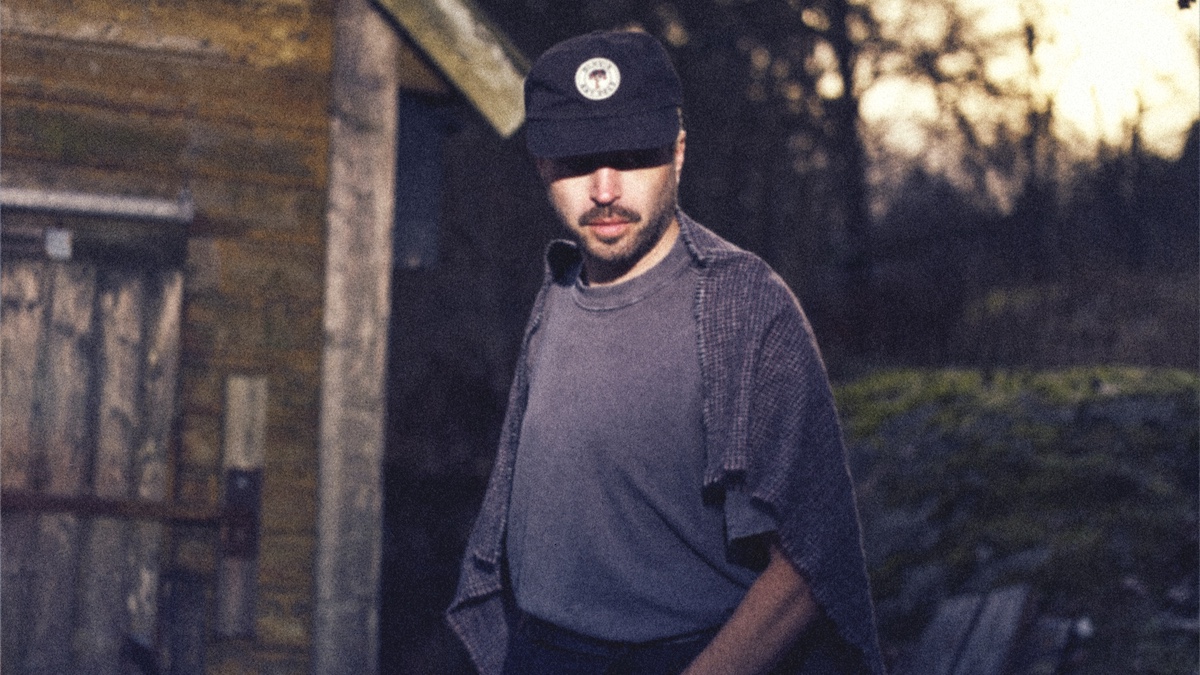
Norwegian multi-instrumentalist, producer and songwriter Morten Martens has carved out a distinctive space as Les Imprimés, making music that draws from soul, alternative rock, hip-hop and jazz without ever feeling tied to any one tradition. Since signing to Big Crown Records, he’s built a growing reputation for thoughtful, beautifully arranged records that favour subtlety over spectacle.
His second album, Fading Forward, continues that trajectory. Almost entirely written, performed, produced and arranged by Martens himself, it expands on the dreamy, soulful sound of its predecessor while exploring broader themes of memory, commitment, loss and mortality. Every note feels considered, from the warm, organic instrumentation to the understated production, resulting in a record that’s both emotionally rich and remarkably cohesive.
I caught up with Martens to talk about the records that shaped him, why he records everything from scratch despite his background in sampling, the challenge of making music that feels timeless rather than nostalgic, and the ideas that sit at the heart of Fading Forward.
I first came across your music through If I, and what struck me immediately was its dreamlike, almost suspended quality. That feeling seems to run through much of your work. Is that atmosphere something you consciously build towards, or does it emerge naturally as you’re writing?
Thank you. I don’t really know, to be honest. I don’t have any desire to shock people or make something uncomfortable. I like being in a calm, comfortable space when I’m making music, so I guess that atmosphere comes quite naturally from that.
You’ve spoken about being inspired by albums from D’Angelo, Björk and Radiohead, who are all artists who created records with incredibly strong identities rather than chasing particular trends. What have those albums taught you about making music that lasts beyond its moment?
I mostly just try to make the kind of music that I like myself. I wouldn’t compare myself to those legends, of course, but I do hope the music I make can still feel relevant and worth listening to many years from now.
Your music feels difficult to place in a particular era. There are echoes of classic soul, alternative rock and hip-hop production, but it never feels nostalgic or revivalist. Is that sense of timelessness something you actively pursue, or simply a by-product of following your instincts?
When I’m making music, I don’t want it to sound like an old record from the ‘70s, or the ‘90s for that matter. In my own mind, I’m making new music. Of course I’m inspired by lots of different genres, but I never want to copy anything directly. So I guess it’s just instinct.
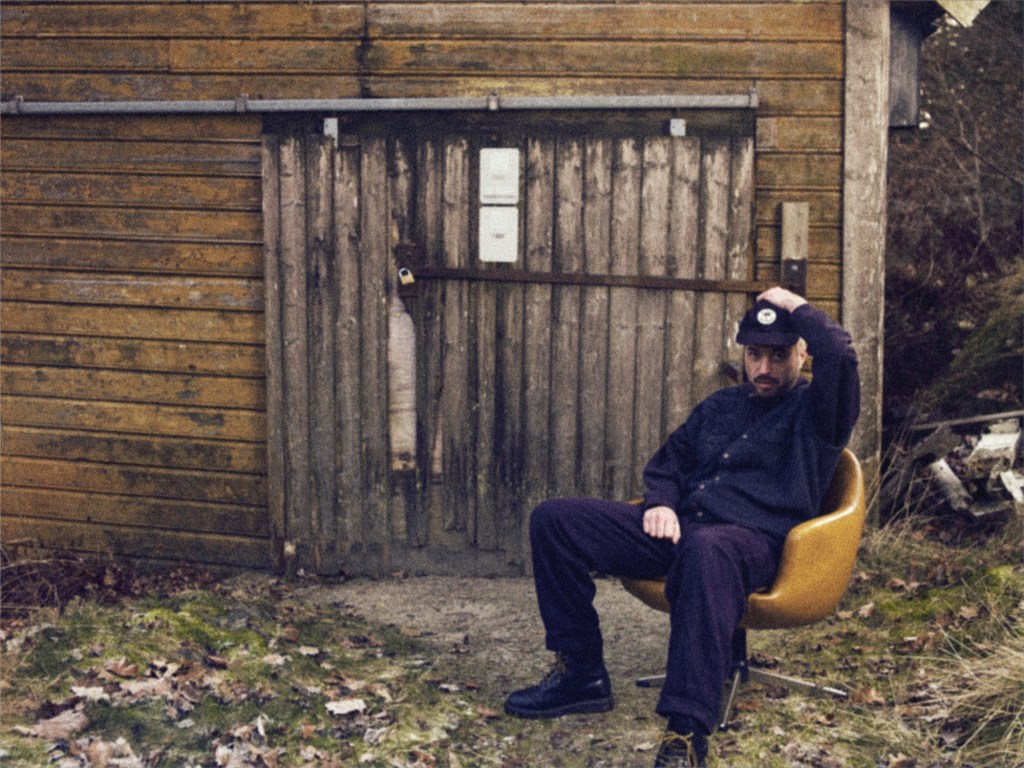
You play almost every instrument on Fading Forward, as well as producing and arranging the album yourself. Does working so independently give you complete creative freedom, or do you ever find yourself missing the challenge that comes from having other people in the room?
Yeah, of course it would be fun to work with more musicians in the studio, and I’ve done a lot of that over the years. But with Les Imprimés, I also like working on my own. It gives me the freedom to spend as much time as I need shaping the songs, without feeling pressured by the clock. It definitely takes longer, but I really enjoy working that way.
There’s an interesting tension in your records between organic performances and production techniques borrowed from hip-hop. How much of what we hear begins as live recordings, and how much is built through sampling, chopping and reconstruction afterwards?
I’ve worked a lot with sampling in the past, but with Les Imprimés everything you hear is recorded from scratch. That’s more been a kind of direction for me up until now. I think I got a bit tired of working with samples and data on a screen, and wanted to spend more time actually playing and recording in a studio setting. I still like the feel of sampled music, but I prefer trying to recreate that energy by doing everything live.
You’ve described yourself as not having “the soul voice, but I do it my own way.” Who, for you, has the definitive “soul voice»?
Haha, yeah, that quote seems to follow me everywhere. What I meant was that I probably don’t have the kind of voice people traditionally expect from a soul singer. My music isn’t really traditional soul either. D’Angelo has an incredible voice, of course, and Donny Hathaway is another absolute legend.
Much of Fading Forward explores commitment, loss, memory and mortality with equal weight. Did those themes emerge because of what was happening in your own life, or did you only recognise them once the album was finished?
When I start writing, it often begins with just a word or a feeling, and it doesn’t necessarily come directly from something happening in my own life. But the further I get into a song, the more I find myself drawing on experiences from my own life or from the people around me.
Only Love is the track I keep coming back to most. It feels like the emotional heart of the record, largely because that feeling of longing – and the sadness that often sits alongside it – is really brought to the fore. What was happening emotionally when you wrote it?
Thank you. I think it was actually the first song I wrote for the album. Like most of my songs, it naturally draws on my own experiences and emotions, but not necessarily on one specific event. The chorus is basically a chant about how only love will set us free, which I imagine is something most people can relate to. In the end, it’s just a love song. Hopefully it’s universal enough that people can bring their own experiences into it.
Now that it’s out in the world – and being dissected by music nerds like me – how do you feel about the album? Are you someone who goes back to your own music, or is it straight onto the next record?
I’m really proud of the album. Compared to Reverie, it explores some different themes. I didn’t want to write another record that was only about love and daydreaming, so it felt natural to open things up and write about other parts of life as well. As a songwriter, I usually feel finished with the songs once they’re released, but it’s exciting to play them live and let them take on a new life. That’s how I keep living with them. And yes, I’m already working on new music.
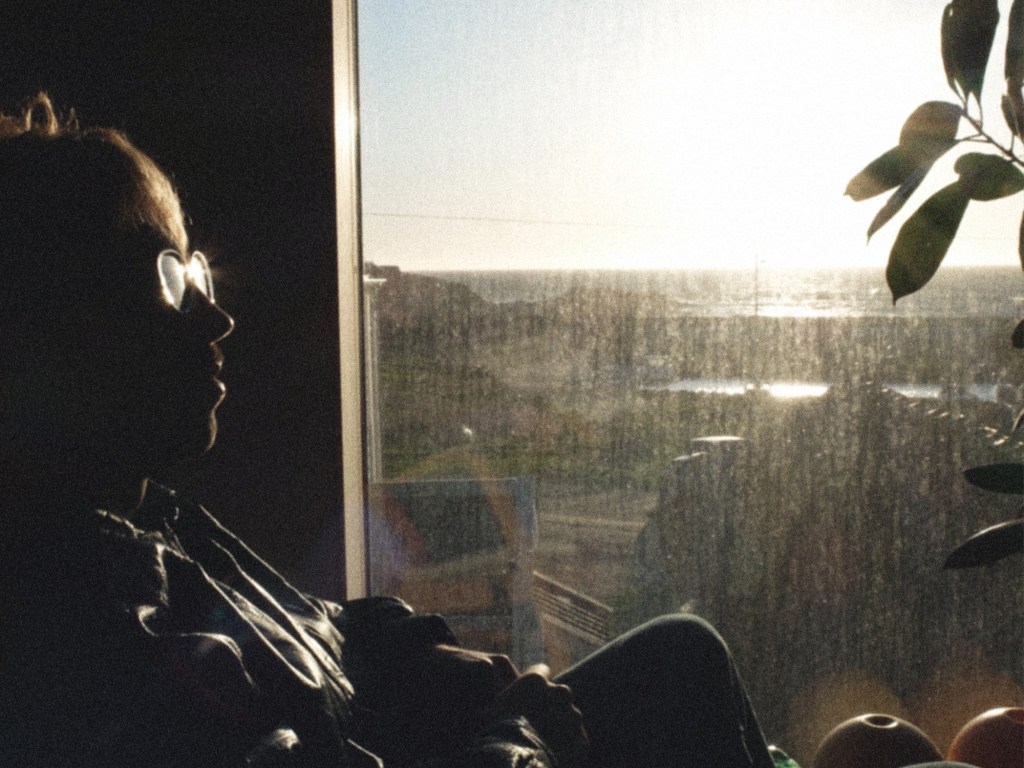
You’ve spent much of your life making music in Kristiansand before signing to Big Crown and then finding an international audience. Has that shift changed the way you think about your work, or do you still approach songwriting as if nobody else is listening?
It’s cool that people in different parts of the world are listening to my music now, but I don’t think it has really changed the way I write songs. I still just try to make music that I genuinely like. I’m probably just as self-critical as I’ve always been, so in that sense I’m still my own toughest critic. Haha.
As the project continues to grow, what feels most important to you to protect, and what are you most excited to explore next?
I just want to keep surprising myself a little. If I feel like I’m repeating myself, I get bored pretty quickly, so I’m always looking for new sounds or ideas to get excited about. And getting the opportunity to travel around with my own music is pretty amazing.
Fading Forward is out now on Big Crown

