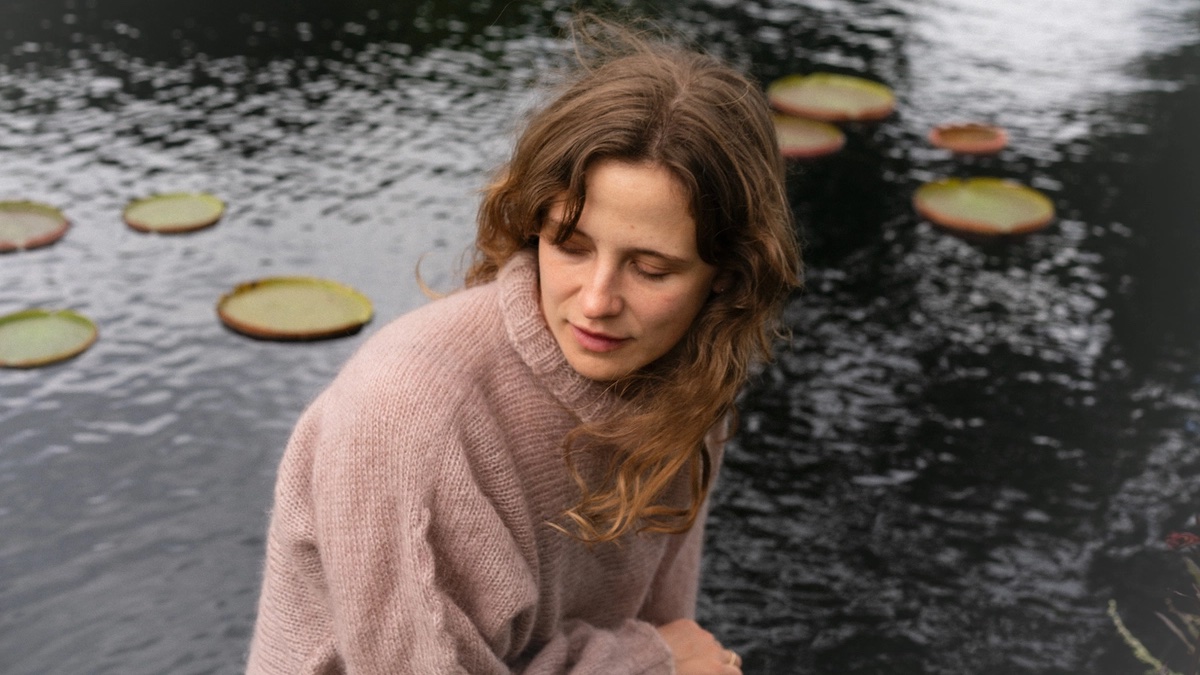
I love Nina Kinert. Her 2018 album Romantic and In Twos EP from the same year are releases I return to frequently, but she’s been relatively quiet since then, averaging about a single a year in the intervening years. So I was very excited to get stuck into her new album Religious, which explores some of her stories about growing up within the Pentecostal Church Community in Sweden , while at the same time dealing with her “attraction to spiritual mystique and the supernatural.” As with most of her work, Marble Armour is hauntingly beautiful, and a great entry point into her often electronically inflected, folk-led musical world if she’s escaped your attention until now.
Taken from Helena Deland’s second album Goodnight Summerland, Roadflower is quietly stunning. Written in the aftermath of the death of Deland’s mother, many – if not all – of the songs deal with death and its aftermath, with its tone similar to recent albums by Tomberlin: mournful, but exquisitely, cathartically so.
On the strength of its final 30 seconds alone, Blender in a Blender would be one of my favourite pieces of music this year. A collaboration with guitarist Roy Montgomery, the track was first drafted by Lattimore during an artist residency program in UCross Wyoming, and later evolved over the duo’s pen pal correspondence. Montgomery’s chords emerge from the harp-induced haze in the outro, and are completely and utterly mesmerising. It’s taken from Lattimore’s new LP Goodbye, Hotel Arkada, an album so obsessed with nostalgia it could have been tailor-made for me.
“Cold Ecstasy is the ultimate memory rush. It’s the album I’ve always wanted to make“
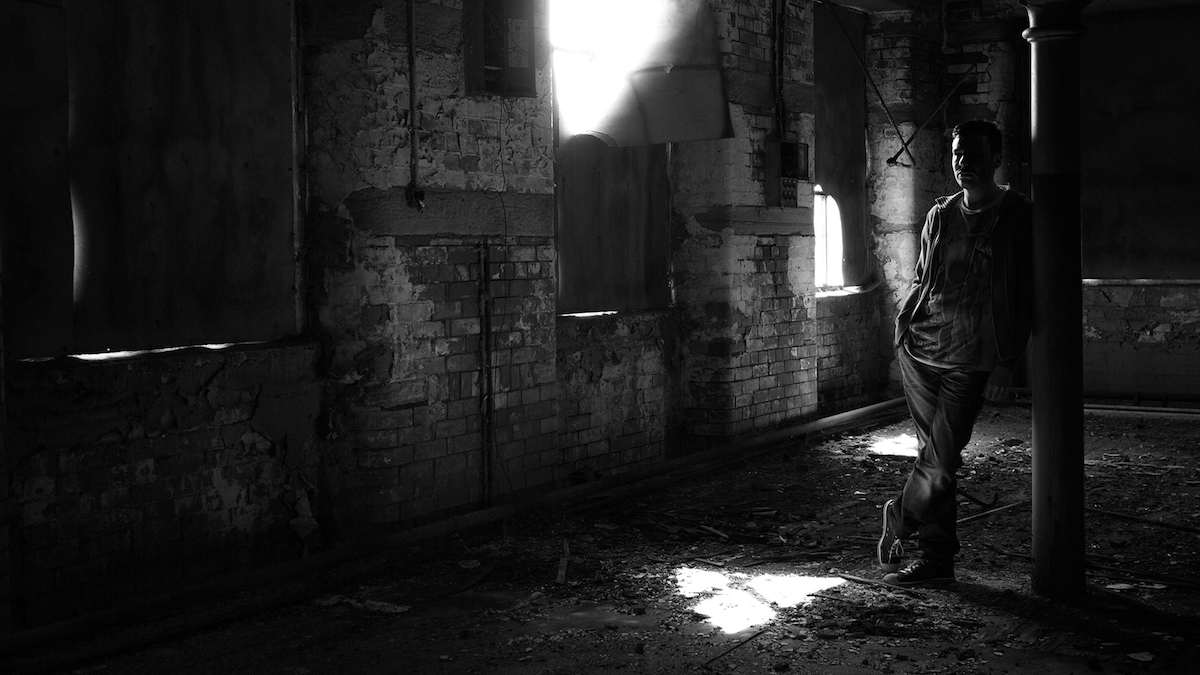
Cold Ecstasy is the latest album from 36 – the ambient and experimental electronic music project of UK artist Dennis Huddleston. An homage to the happier, more emotionally-charged aspects of the UK hardcore and rave scene, it is a truly beautiful body of work, playing with themes of memory and deeply rooted in nostalgia: something with which I have an arguably unhealthily obsession.
I love Cold Ecstasy, so was delighted that Dennis agreed to answer some questions about his inspirations and approaches to its creation.
For the majority of the 00s and 2010s – and arguably even in its 90s heyday – trance and the happier aspects of hardcore were pretty much written off as unserious and not worthy of respect. Why do you think that is?
People are too serious, perhaps? Look, I get it. There were some absolutely dreadful happy hardcore tunes. Things got pretty stupid after 1997. But UK hardcore has always had this duality, right from the get-go. For every classic tune like Ellis Dee’s “Free The Feeling” we also got gimmicky trash like “Sesame’s Treet”. Happy hardcore just took things to the extreme, since the bad stuff was really, really bad. It was an easy target, I found it hilarious how Sharkey was a key part of hardcore’s downfall with much-maligned tunes like “Toytown”, yet he was also instrumental in pushing the Freeform sound years later, which gave us so many great tracks. As I say, such is the duality of man!
Of course, it’s a phenomenon which isn’t exclusive to hardcore. Every genre has good and bad tunes. It encourages you to dig deeper to find the stuff that shines brightest. Believe me, there’s plenty of classic happy hardcore tracks, if you give it a chance. I wouldn’t have listened if they weren’t there.
Recorded in Crown Heights, Brooklyn over a three-year period from 2019 to 2022, Nappy Nina’s new LP Mourning Due is billed as “a record that considers grief a currency and questions who is owed what”. Her voice throughout is hushed and contemplative, backed up by nicely varied production characterised by dreamily looped samples and raw, complex drum patterns. Weeping Waltz featuring a guest spot from Cavalier is a stand out, but the entire album is definitely worth a listen.
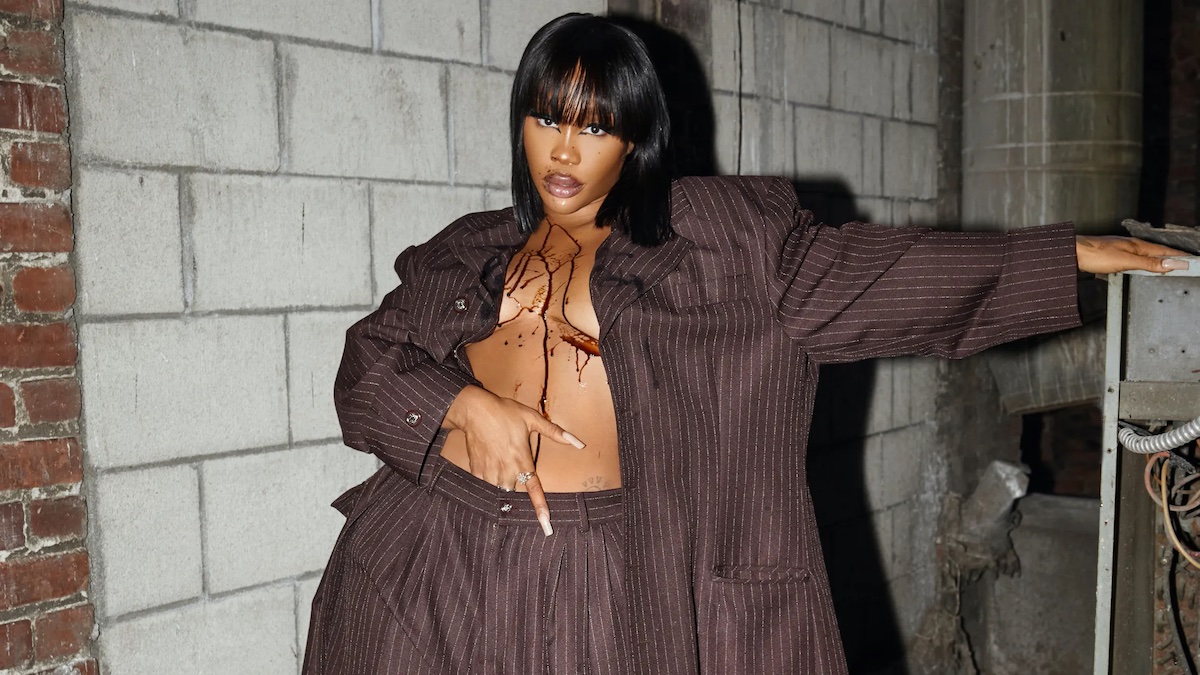
Lol at everyone who’s already published their end of year list! (TPW’s is coming tomorrow – thanks for asking). SZA’s SOS is one of two albums released last week that will definitely making my list, so my slackness in publishing has turned out to be quite a canny move. Usually if an album pushes over the hour mark it’s a warning sign for some damaging indulgence and self-regard, but there are so many good tracks – Conceited not least among them – that in this case the extended running time is entirely justified.
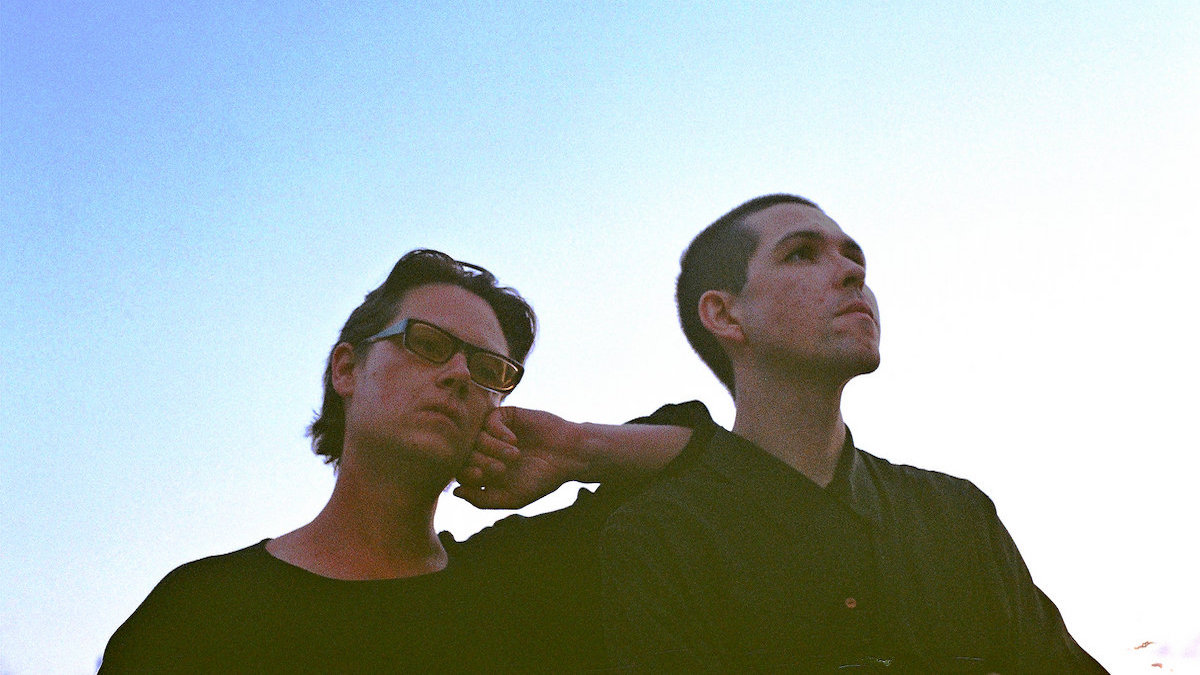
Ingredient is the collaboration of Toronto poets, composers, producers and friends Ian Daniel Kehoe and Luka Kuplowsky. Released last week, their self-titled debut came together over the course of six months in their shared home studio they frequented daily, with vocal contributions from Thom Gill and the alto sax Karen Ng. Sitting somewhere between the 80s soft rock of John Moods and the dreamy alt-r&b of Toro Y Moi, Ingredient is melodic escapism of the very highest order.
Canto Ostinato is the new volume of classical minimalism from musician and producer Erik Hall. Written for four pianos in 1979 by Dutch composer Simeon ten Holt, the piece is freshly framed as an intimate, hour-long solo performance consisting of multitracked grand pianos, electric piano, and organ, with Sections 17-30 out now ahead of the full album. For fans of Steve Reich, Philip Glass and meditative modern classical in general.
I’m not sure anyone does deep melancholy quite as well as Tomberlin. Released today, her new album i don’t know who needs to hear this… was structured around the need to “examine, hold space, make an altar for the feelings”, and while not exactly a departure from her 2018 album – and one of my all-time favourites – At Weddings, there’s definitely been a progression: a sense of expanding boundaries; of actually being able to see the horizon in comparison to the lo-fi ultra-intimacy of her debut. easy is the album opener, and manages to be haunting, inviting, despondent and peaceful all at once.
“The desktop of my mind has been cleared. Now it’s time to clutter it up again.”
A founding member of the band Sky Larkin, Katie Harkin has just released her debut self-titled solo album. In the intervening years she’s toured and recorded with some of the most successful and acclaimed indie rock acts in the business, including Kurt Vile, Courtney Barnett, Waxahatchee and Wild Beasts, so it’s perhaps unsurprising that Harkin is an absolute gem of an album: urgent, expressive, affecting.
I’m incredibly grateful to Katie for taking the time to answer some questions for The Predatory Wasp… and if you haven’t yet listened to the album, I highly recommend you do so.
Congratulations on the release of your debut album – it’s brilliant. When did you start recording it, and was the process generally positive, stressful, invigorating, a combination of all of these… or something else entirely?
Well thanks! I felt a huge amount of growth through the process. I recorded it without a label (we founded our own to release it- Hand Mirror), and though organising everything and clinging onto hard drives as I moved between studios in different time zones was stressful, it was thrilling to do it all on my own terms.






 The Predatory Wasp