Categories
Features Music

Opinion: Music, Fashion, Film is the year’s most ludicrously overrated album

I don’t think I’ve ever listened to an album that has made me question contemporary music criticism quite as much as Charli XCX’s Music, Fashion, Film. I’m four listens in, and I just can’t do any more.

It’s not just because I dislike it. There are plenty of critically acclaimed records that simply aren’t for me, and that’s never particularly interesting. This feels different as it’s one of those rare occasions where I genuinely find myself wondering whether everyone else is hearing something that simply isn’t there, or whether we’ve reached the point where the narrative around an artist has become so compelling that it no longer really matters what’s coming out of the speakers.

I come at this from the position of being a fan, especially of what could loosely be described as her mid-period. Number 1 Angel is still my favourite album of hers, which I guess immediately opens up to criticisms of “not properly getting it”, as it’s far from her most critically lauded album. But I was fully on board for Pop 2 and most of that which followed, and think Wuthering Heights is one of the year’s best albums. But Music, Fashion, Film is just a bad album.

The reviews have been extraordinary. The Guardian described it as “another gorgeously astute and disarmingly deep album about the instability of identity”, adding that it “hits just as hard as Brat. ” Pitchfork, awarding it Best New Music, celebrated what it called the album’s “first-draft, ‘one for me’ feeling”, effectively arguing that the very qualities which might once have been criticised as unfinished are, in fact, central to its brilliance. Elsewhere, the Associated Press praised Charli as “one of pop’s great contrarians”, presenting the record’s refusal to meet expectations as evidence of its artistic success rather than something that should necessarily be judged on its own terms. Even the notoriously hard to please The Quietus argued the case that it might be “the best punk album of the decade”.

I mean, actually listen to this song and try and judge it free from all the narrative that surrounds it.
This is where I start to lose the plot and begin ranting on a very small blog that barely anyone will read. Because there seems to be an assumption running through so much of the coverage that intention is enough. If something sounds slight, that’s because it’s rejecting excess. If a chorus never really arrives, it’s dismantling pop convention. If the songwriting feels undercooked and sarcastic, that’s because the whole thing is deliberately exposing the artifice of songwriting itself. Every possible criticism already has an answer built into it, and that answer is almost always some variation of: that’s the point.

But what if, actually, this isn’t the point, or perhaps more importantly, what if it is, and it still doesn’t matter?

I’ve never really understood why irony is treated as some kind of artistic forcefield. If I deliberately paint a boring painting, I’ve still painted a boring painting. If I intentionally write an uninteresting song, it doesn’t become interesting simply because I anticipated that criticism. At some point the work has to stand on its own, rather than on the explanatory framework that’s built around it afterwards.

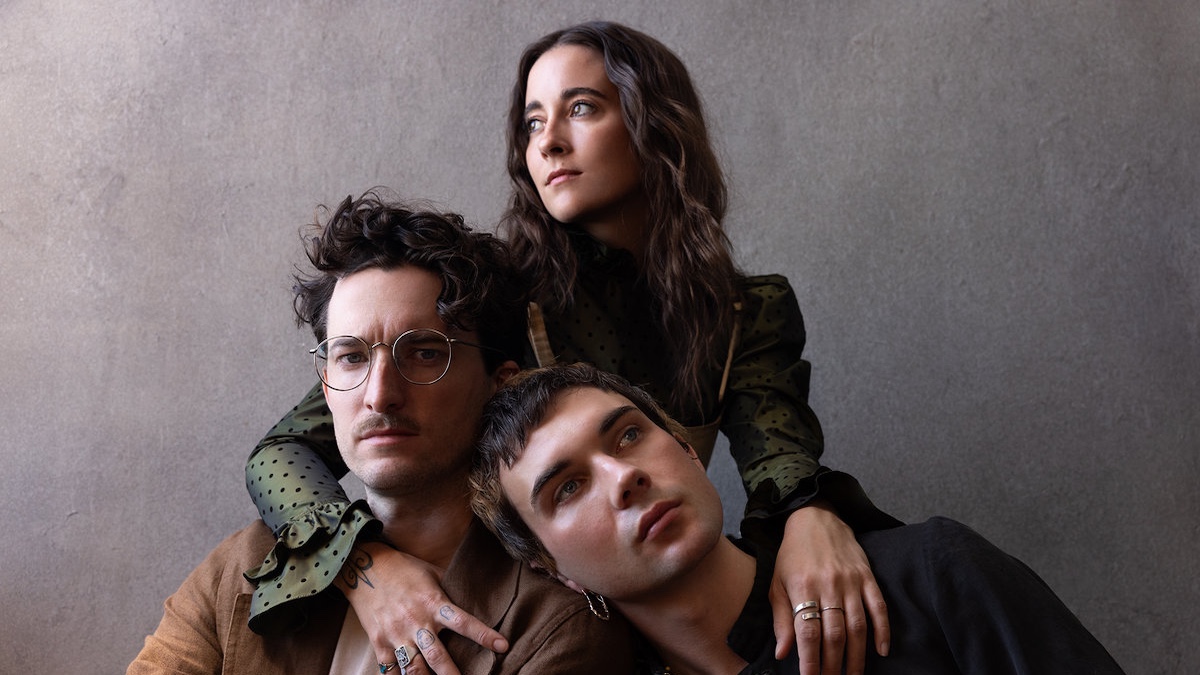
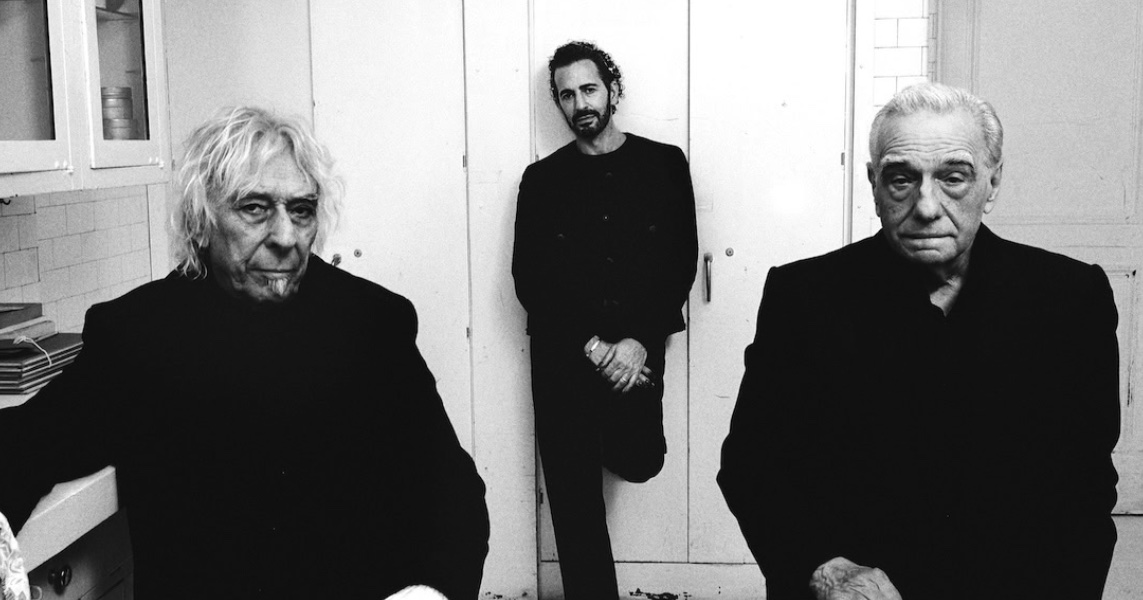
I think that’s what fascinates/riles me most about this album. Strip away the essays about identity, celebrity, self-parody, performance and deconstruction, stop reading interviews about rejecting the expectations created by Brat, forget the idea that Charli is one of contemporary pop’s great disruptors for a moment, and just sit with the songs. I keep coming back to the same conclusion: they’re just very boring! Not challenging. Not confrontational. Just… a bit dull. And sticking three auteurs looking serious on the cover doesn’t change that.

Are we genuinely all saying that this:

Is better than this?

All of this makes me wonder whether Charli XCX has reached that weird point in an artist’s career where critics have become more interested in interpreting the work than evaluating it. Every great artist eventually acquires a mythology, and mythology has a habit of bending criticism around itself. Choices that might look lazy in another context become fearless. Incompleteness becomes vulnerability. Ordinary ideas become conceptual statements. Before long, the discussion has drifted so far away from the experience of actually listening to the record that the music itself almost feels incidental.

None of this is to suggest that reviewers are being dishonest. I don’t think they are. I think they really are (somehow) hearing all of these things, just as I genuinely don’t. But I do think there are moments in criticism where consensus becomes self-reinforcing, where everyone is so busy engaging with the cultural significance of an album that they forget to ask the oldest and simplest question in criticism: Is it actually any good? And to that I say an emphatic: no, no it isn’t.

For me, Music, Fashion, Film never clears that most basic of hurdles. It feels like a collection of sketches that have been elevated into something profound largely because of who made them, and because we’ve collectively decided that every left turn Charli XCX takes must, almost by definition, be an important one.

Maybe time will prove me spectacularly wrong. Perhaps in ten years’ time this will be regarded as another pivotal moment in pop music, and I’ll happily concede that I missed it.

Or perhaps we’ll all look back slightly sheepishly and realise that, somewhere along the way, we became so captivated by the idea of what the album represented that we stopped noticing how little there was to hold onto once the record actually started playing. Perhaps Pitchfork will do one of those excruciating mea culpas and shave 4 points of her score alongside a “sorry guys, we got caught up in this one”. We can but hope.

My fantasy is that in six months time, Charli will issue some kind of “gotcha” statement: “Lolz this was shit and you all loved it ha ha idiots”. But she’s too smart for that. Maybe she’s thinking it though. That would be enough for me for now.
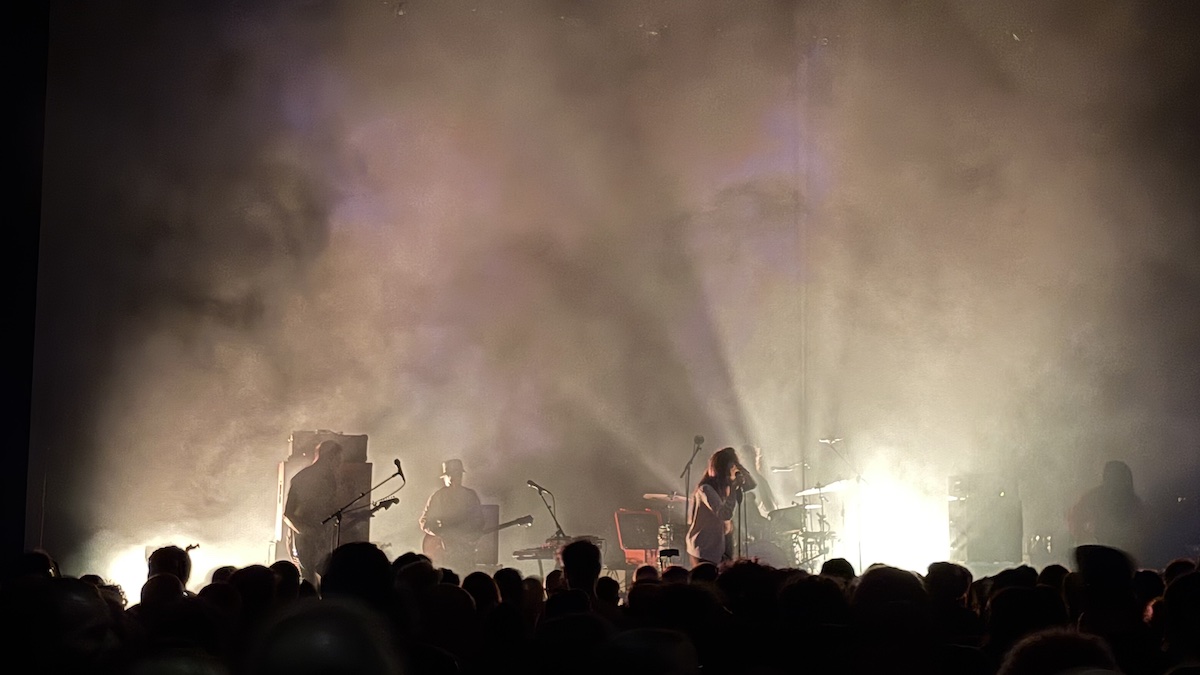
Categories
Music Uncategorized

Simple Things 2025: Review

Simple Things has quietly become one of the UK’s best city festivals. Now in its 11th year, it’s grown into something that feels both expansive and rooted, spread across Bristol’s best venues, full of artists who aren’t afraid to stretch sound into new places. This year’s edition contained a mix of brilliance, occasional frustration, and some of the most viscerally affecting performances I’ve ever witnessed.

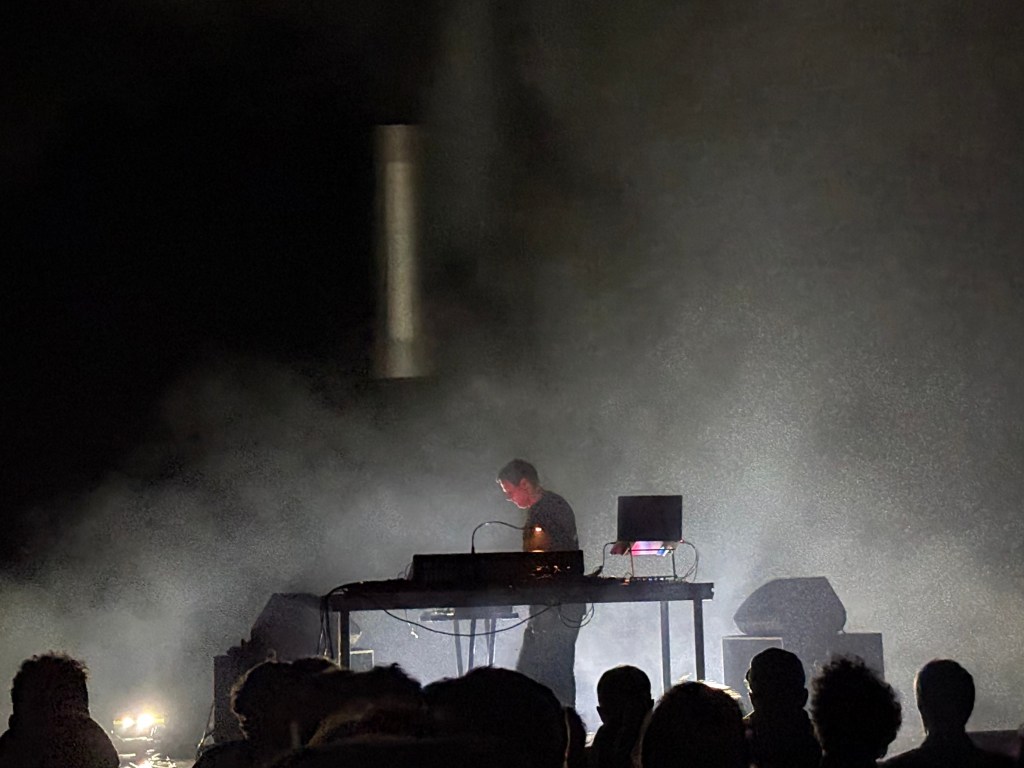
I started 10 hours of pretty much back-to-back sets with Rachika Nayar and Nina Keith’s collaborative project Disinblud at Lantern Hall, which ended up being one of the day’s most impressive. That room always sounds incredible and it suited them perfectly. The set moved from soft, gentle melodies across piano and guitar to total walls of sound and deep, rumbling basslines, with huge emotional range and perfect control. The combination of the two of them felt inspired: a proper meeting of minds. The collaboration draws on themes of transformation, loss, and beauty in chaos, and live it came across as something vast in one respect but deeply human in another.

Rachika Nayar and Nina Keith

With the bar set high, Lucy Gooch followed in Strange Brew’s second room. Her album, Desert Window, is one of my favourites of the year, but I’m not sure all that delicacy fully translated to the live setting. Some of the subtlety was lost in the sound, though when her vocal harmonies clicked, it sounded amazing, rich and luminous. There were flashes of the record’s dreamy majesty, even if the overall feel was a little unpolished.

Lucy Gooch

On the way to Léa Sen I caught a bit of Florence Sinclair’s set in Strange Brew’s main room which sadly struggled to attract much of a crowd. The performance itself was thoughtful and sincere, but it just never quite lifted. Léa Sen’s set at Rough Trade was a completely different experience. She’d played to 5,000 people the day before supporting Loyle Carner and said she actually felt more nervous because “you’re really listening”. Regardless of the truth of her nervousness, it did feel like that: seventy-odd people in a small room, totally tuned in. She played stripped-down versions of tracks from LEVELS, including Ghostwriter, where she talked about the difficulty of being bilingual and expressing herself properly. There were a couple of improvised moments too, just her and a guitar, with an occasional (slightly irritating) backing texture. Still, it felt like a privilege to see her in such an intimate setting.

Jawnino tested patience slightly, leaving us waiting fifteen minutes with his DJ before starting, not ideal given he only had a forty-five-minute slot. When it got going, though, the energy was there, with plenty of tracks from last year’s album 40 although I ended up heading off early to catch The Orielles.

That turned out to be the only real bust of the day. They started more than twenty minutes behind schedule due to technical issues, which still weren’t resolved when they finally began, with parts of the drummer’s kit totally inaudible, and (understandable) growing frustration on stage. It was hard to watch, especially as I’d been looking forward to their set. I’ve been a bit obsessed with their 2022 album Tableau recently, especially insanely brilliant The Improvisation 001, and was hoping for a big moment. Instead, it just never quite came together. Unfortunately, it wasn’t the last sound issue to hit Lantern Hall that day.

After that disappointment I got a quick coffee near the docks, sat looking out at the water, and thought how lucky I was to be at this festival. It really is amazing. I used to go out religiously (and exclusively) trance nights here, especially at the now-defunct club Creation, and I’ve stumbled around the area in some right old states. Now I was sitting there sober, drinking coffee and eating shortbread. Boring! But also very happy with it.

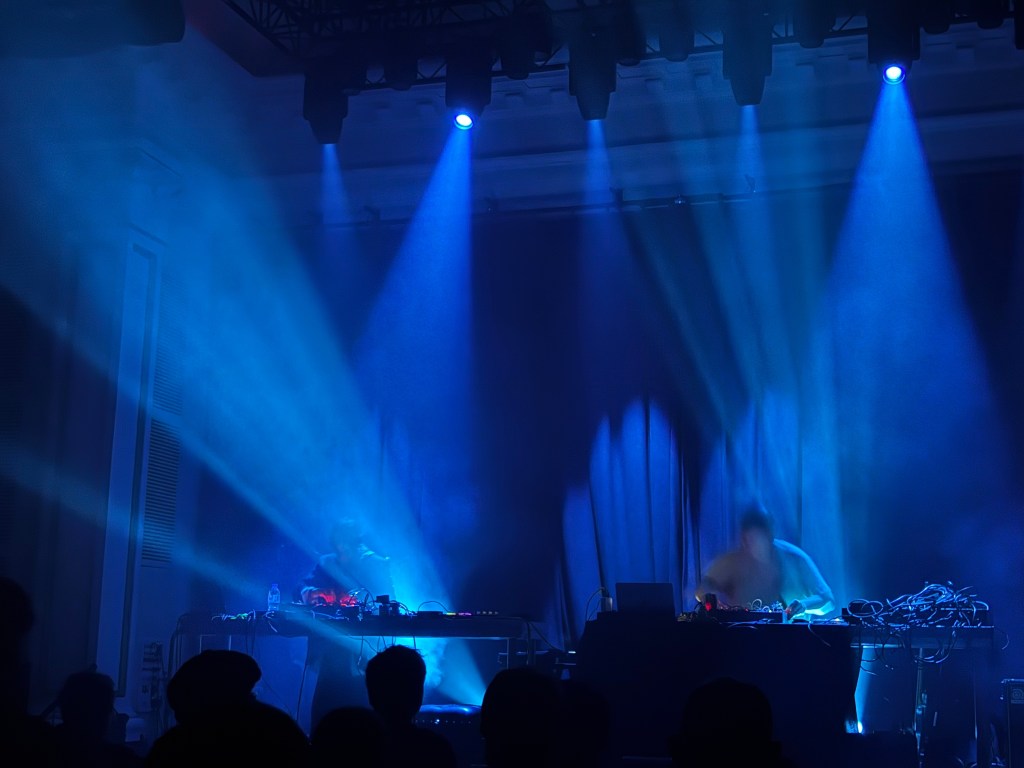
Kayla Painter played an audio-visual set at Bristol Megascreen, the IMAX-adjacent cinema venue. The space itself was impressive and the sound was beautiful, starting with chilled ambient and drone textures, full of natural noises like birds, shifting wind and the occasional hand-crinkled bit of plastic held up to a microphone. I thought the visuals felt a bit incongruent, like a ropey version of Tron, but the music held it together. When she picked up the tempo later with some more techno-leaning material, it was interesting, but I still preferred the earlier ambient sections.

Dry Cleaning

After a quick musical break to get some food – shoutout to Crispy Dosa, never disappoints – Dry Cleaning’s set was one I only caught part of, but it was clearly well attended. Honestly, I’m not a big fan at all, but they looked and sounded great for the most part, although I found it strange that Florence Shaw’s vocals, so distinctive and narrative-led, were totally lost in the mix. You could barely understand a word. If that was a creative decision, it’s an odd one; if not, a big missed opportunity. For me though, this was fine – the less I can hear about missing tortoises, the better.

And then, Blackhaine. Holy shit. His performance was easily the most memorable of the day, and maybe the most anxious I’ve ever felt at a gig. The opening few minutes were plagued by sound issues, which only added to the tension: it felt like they might genuinely attack people. The whole thing was an assault, choreographed chaos, physical, angry, and deeply affecting. His delivery was raw and cathartic, full of anguish. It reminded me of seeing The Haxan Cloak and Pharmakon years ago, the same visceral intensity, but this went even further. Also, he was flanked by two people on stage who mostly just stood there looking threatening, though one joined in with screamed vocals on a track. Absolutely brutal and totally incredible.

Joshua Idehen followed and could not have been more different. It was a huge vibe shift, full of positivity, warmth, and connection – the polar opposite of what just went down next door. His set took place in the Bridgehouse foyer at Bristol Beacon, which is a bit of a thoroughfarea, brightly lit, and not really a ‘venue’ in the strict sense, so I only stuck around for a bit.

From there I went to Clarke in Beacon Hall. Clarke has a few different modes: I’d seen him a few years ago touring A Playground in a Lake, which was deeply contemplative and melodic; electronic music to sit down to! This was a totally different story, straight into full-on rave mode from the start. I had to adjust my expectations, but once I did, it was great to just dance. So much of Simple Things leans into darker, more introspective sounds, so having that release felt well-earned.

Clarke

Jadu Heart closed the night in Lantern Hall. Thankfully all the sound issues from earlier in the day had disappeared: they sounded great and it seemed like there was real chemistry and affection on-stage. They played tracks from across their catalogue, including the two albums they recorded in Bristol, and ended with U, probably the finest moment from this year’s Post Heaven; a fittingly uplifting end to an immensely rewarding day.

I left feeling like Simple Things must be one of the best festivals in the UK for its size and scope. It’s rare to find something that still gives space to challenging, unpredictable music without trying to smooth out the edges. This year’s lineup moved confidently between discomfort and beauty, and the programming trusted the audience to stay open and curious. In a climate that might be the toughest for live music in decades, it felt genuinely heartening to see a festival still championing experimentation on this scale. Even with the odd hiccup, the value for money is crazy, and the spirit of it remains intact. I’ll be first in line for a ticket next year.

Categories
Music

Nation of Language – Under the Water

I’m not entirely sold of Nation of Language’s new album Dance Called Memory yet, but I also thought that about their last one and ended up thinking it was yet another triumph, so I’m holding back judgement for a few weeks. What I am sure about though is that Under the Water is the best thing on there, which is a high bar.

https://nationoflanguage.bandcamp.com/album/dance-called-memory