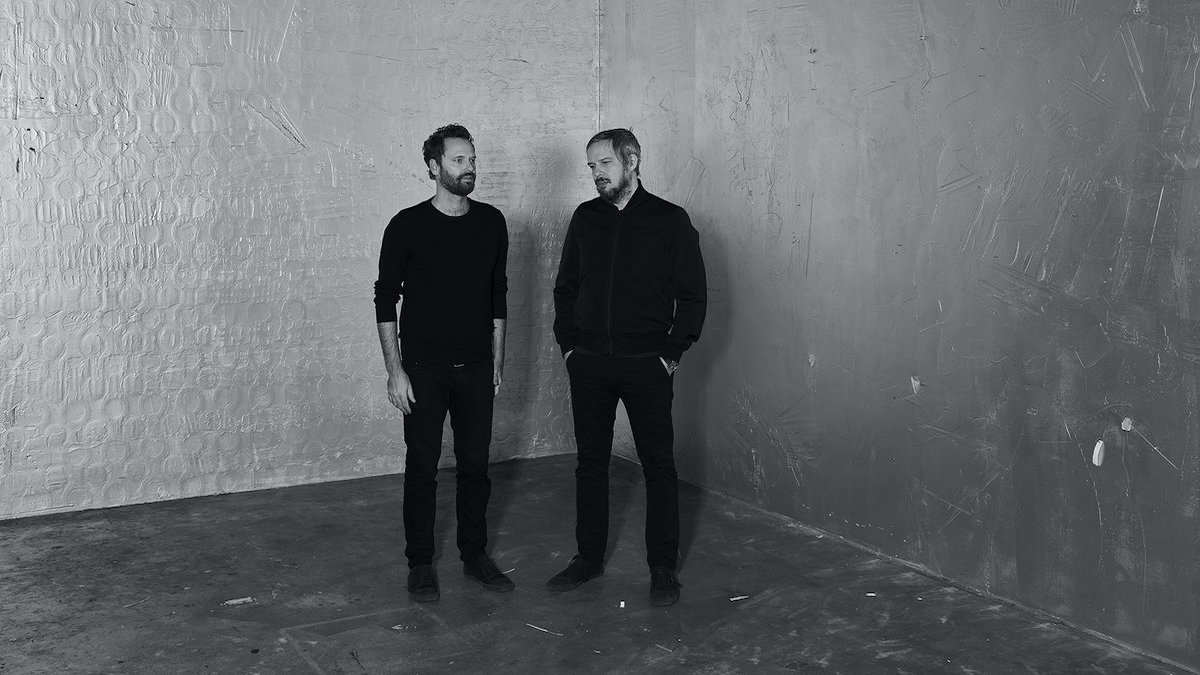
Pigeon Breeders and Ghost Cars two experimental groups from Edmonton, Canada, and this is the second part of a session recorded on a muggy night in the summer of 2020, with guitar, bass, percussion, and electronics played live and improvised in a single take. Over the course of 12 minutes or so it ebbs and flows, building and receding with heavily reverbed guitars and eerie atmospherics taking centre stage, and while it doesn’t end up with anywhere near the same level of demented ferocity as something like Swans, it’s definitely in the same ballpark.
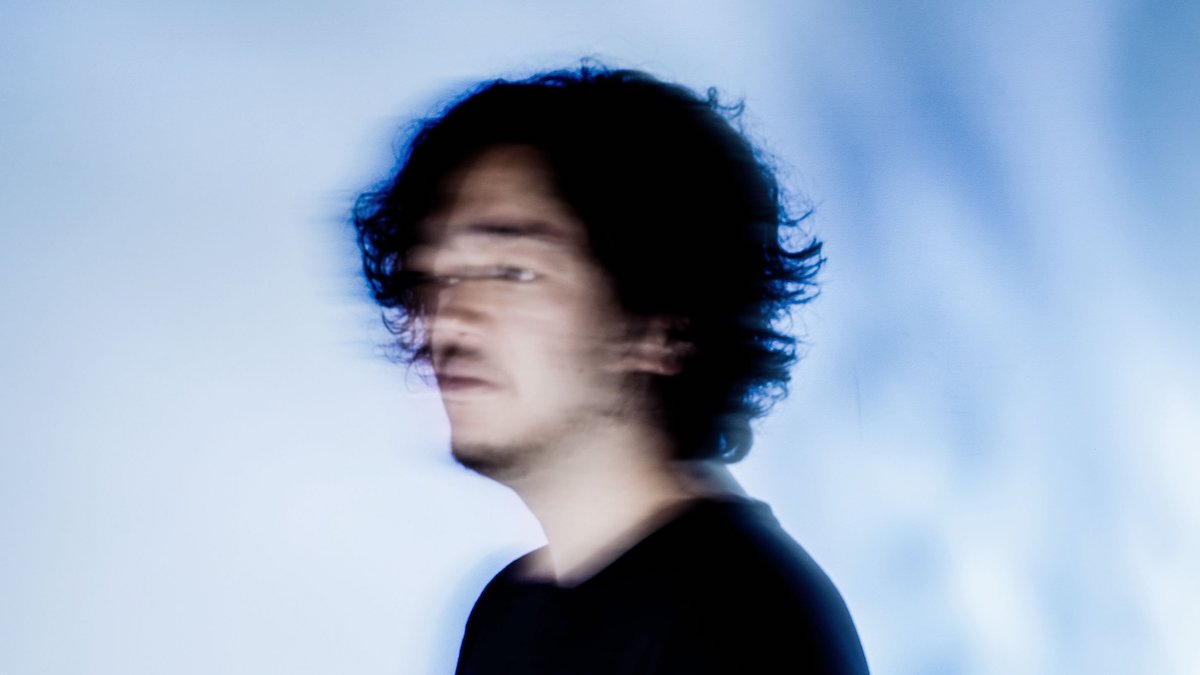
Foundation Three: Loss of Identity is the third track from New York based electronic musician Salvatore Mercantante’s album The Foundations Of Eternal Sin, which I have not heard in its entirety, but on the strength of this it’s something that’s worth seeking out. Meditative and highly atmospheric, Foundation Three had me hooked from the opening few bars, pairing rich, warm pads alongside crisply skittering percussion. I wish it were twice as long, as it’s a highly enjoyable place to lose yourself for a few minutes.
I’m back! Did you miss me? Sorry for the complete lack of posting for the last week or so, but it felt real good not to open a computer or do anything except interact with people IRL and consume endless amounts of everything that’s bad for me.
Anyway…
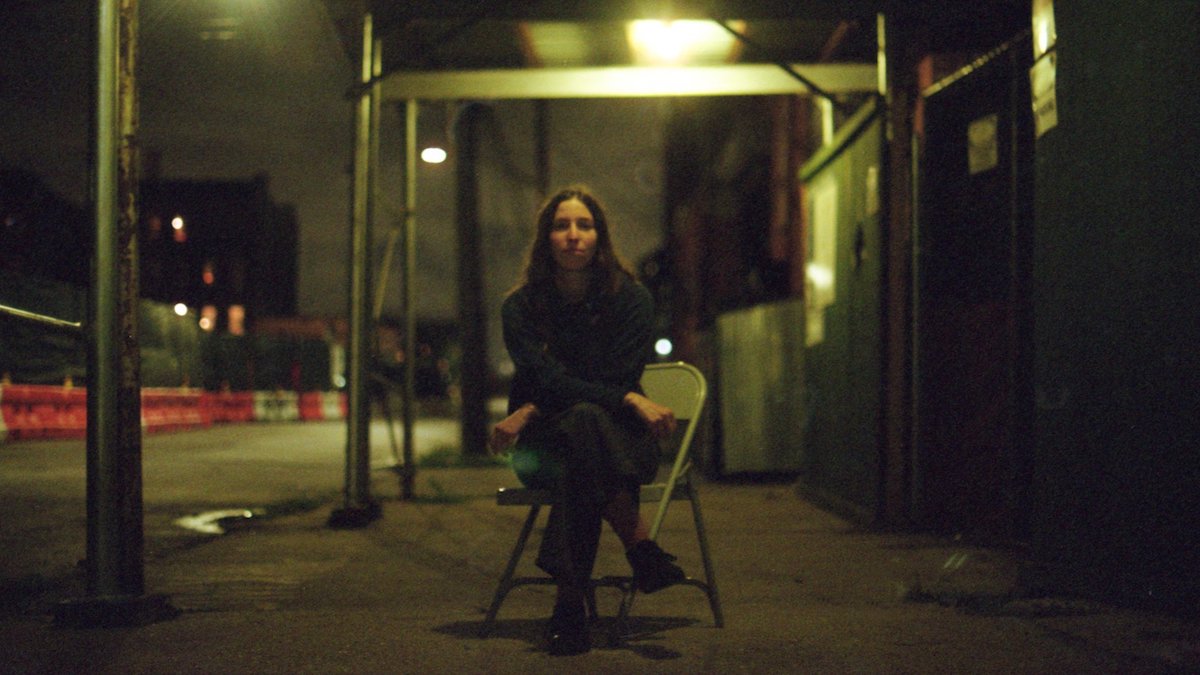
This is the time of year that I start looking at everyone else’s Best Of lists and realise that despite listening to really quite a lot of music, I’ve missed some absolutely incredible stuff. So apologies if the next month or so includes things you’ve been on for months. Case in point: Emily. A Sprague’s mesmerising Hill, Flower, Fog from which Horizon is taken; a blissful six-track ambient album comprised of little more than gently modulating synths and lush, undulating pads.
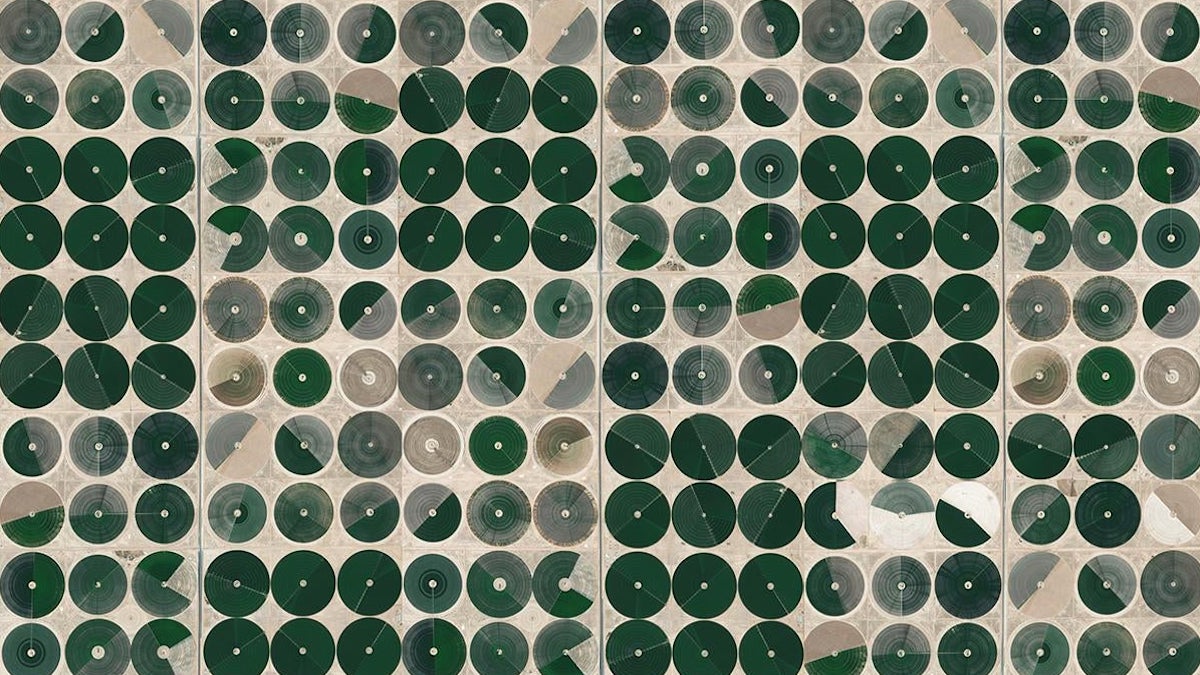
The latest single from Puerto Rican ambient composer TROVA, Discussions is highly reminiscent of a very specific Burial track that I can’t quite put my finger on, but with all the sharp edges smoothed until it becomes this glassy, slow-building, quietly overwhelming track. It’s lush – in both the west country and general sense of the word – and I wish it were at least twice as long, as its effect is transportive and deeply relaxing, which is something we could all probably do with.
Wave III is the second single to be released from NYC-based musician, composer and skateboard enthusiast Elori Saxl. Half composed in the Adirondack mountains during summer amid lakes, rivers, and moss-laden forest floors, and half on a frozen Lake Superior island in deep winter, The Blue of Distance – unsurprisingly given its genesis – takes many of its musical cues from the vastness of nature, and Wave III itself is glassy, expansive and sparse: a quietly shimmering lake under an infinitely but almost reassuringly black sky.
To my shame, I only recently found out that Stars of the Lid founder Adam Wiltzie made up one half of A Winged Victory For The Sullen – the other half being L.A. composer Dustin O’Halloran – which considering how much I love SOTL, I really should have been more aware of. Desires Are Already Memories is taken from their forthcoming album Invisible Cities, which is a paired-down version of the score to Leo Warner’s acclaimed theatre production. Like much of their work it sits somewhere between hope and despair, with choral voices and aching beautiful strings combining to tremendous effect.
There’s been a gap of six years between Shallow – the last Sea Oleena LP – and Weaving A Basket, which was released last month. So long in fact that I’d forgotten just how brilliant an artist she is. Weaving A Basket, though, may be a late entry for album of the year: it’s certainly one of the most beautiful, with vocals acting like ambient textures rather than narrative or rhythmic devices, often accompanied by little more than a mournfully strummed guitar. It’s honestly hard to describe just how lovely this album is, so probably best just to go and listen to it.
There are only two possible musical routes for an artist name of Craven Faults coupled with artwork as starkly bleak as on Enclosures: screaming, piledriving metal and sinister, meandering electronica. Fortunately (for me at least) this is very much in the latter camp; an intricate, patient and atmospheric three track EP from an artist whose bio is as succinct and evocative as “half-remembered journeys across post-industrial Yorkshire”.
Mark Pritchard is an extraordinary artist making some of the most visionary electronic music you’re likely to hear, ranging from the deeply unsettling and undefinable to blissful, meditative electronica like in My Heart. This is the final track on MP Productions – EP 1: a six track collection revisiting some of the aliases he has released under, and spanning a range of styles but predominantly focused on club music, which I would highly recommend checking out.
I’ve been a big fan of Christian Löffler’s particular strain of electronic music for some time now, especially his 2012 debut A Forest and 2016’s excellent Mare, both of which are considered, completely absorbing bodies of work, mostly consisting of melodic and atmospheric house music that sounds like it’s been teased up from the earth rather than constructed on anything as rigidly mechanical as a synthesiser. For his latest single, Pastoral, he’s done away with the 4/4 structure – and in fact any kind of beats – entirely, instead focussing on the lush interplay of slowly rising strings and muffled piano.
EDIT: On digging a little deeper into this, I just discovered that it’s a reworking of Beethoven, which makes it the second Beethoven cover I’ve covered in a week, but as part of a completely different project. Has Beethoven just come out of copyright? Seems unlikely. Anywhere, here are a few words from the man himself (Christian, not Ludwig):
“Deutsche Grammophon invited me to listen to a number of historic recordings of Beethoven, shellac discs from the 20s. I have reworked four of the composer’s tracks for an upcoming EP called Parallels (Beethoven) and you can listen to the first single ‘Pastoral’ now.”